
English Garden History: From Formal Designs to Wild Beauty
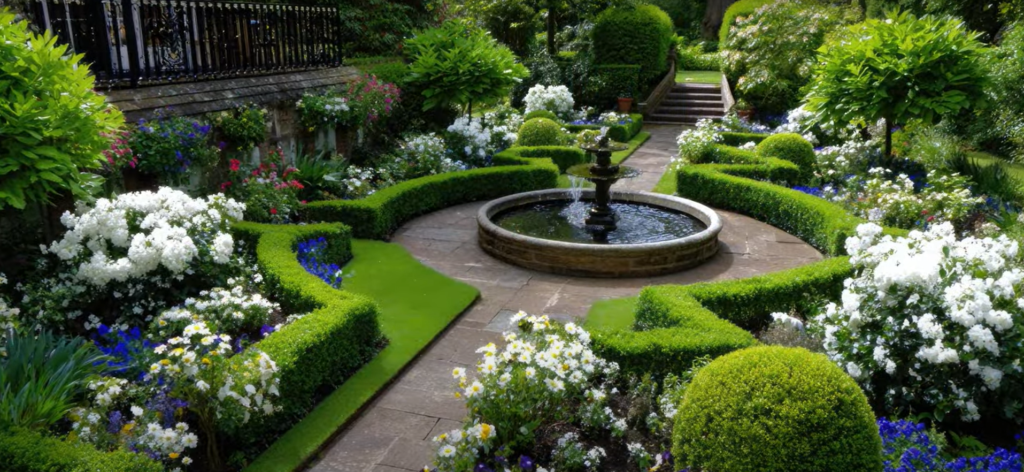
English gardens feel timeless. Many people imagine soft lawns, winding paths, and flowers spilling over borders. But this familiar style did not appear overnight. It grew over centuries as ideas about nature, power, art, and beauty changed.
The story of English garden history is really a story about people and how they saw the natural world. At times, gardeners tried to control nature with strict lines and symmetry. At other times, they allowed gardens to look loose and almost wild.
Understanding this history helps us see that every garden carries ideas from the past.
Key Takeaways
• English gardens evolved from strict geometry to natural landscapes
• Art, philosophy, and politics shaped garden design
• Modern gardens focus on wildlife and sustainability
Roman Roots of English Garden Design
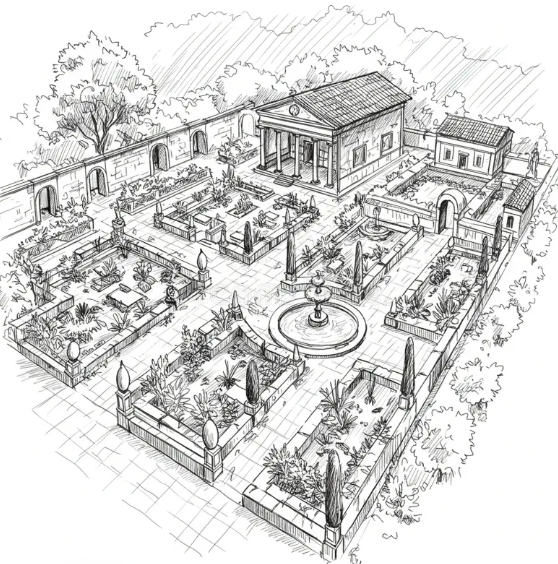
The story begins nearly two thousand years ago when the Romans occupied Britain for about 400 years.
They introduced more than roads and towns. They also brought new plants and new garden ideas. Fruits, vegetables, herbs, and nuts that were common in the Mediterranean began to appear in British gardens.
Roman homes often centered on rectangular courtyards. Around these spaces, gardeners planted neatly clipped box hedges and organized beds in simple patterns. Covered walkways called pergolas created shade and structure.
These elements still appear in many gardens today. Straight paths, enclosed spaces, and clipped hedges all trace part of their history to Roman influence.
Trade routes also carried ideas across continents. Garden design in Europe absorbed concepts from older traditions, including Persian gardens. These gardens often used a four-part layout, symbolizing paradise and organized around flowing water.
This early exchange of ideas shows that gardens have always reflected global influences.
Medieval Gardens: Monasteries and Castles
After the Romans left Britain, the center of wealth shifted to monasteries and the crown.
Monastic gardens served practical purposes. Monks and nuns raised food, grew herbs for medicine, and cared for orchards. Fish ponds and small fields supported daily life.
These gardens were busy working spaces rather than places of display.
When the Normans arrived in 1066, they built hundreds of castles. Within these fortified walls, small enclosed gardens appeared. These spaces often belonged to the lady of the household.
Inside the castle courtyard, flowers and herbs created a peaceful contrast to the harsh world outside the walls. The design echoed scenes often seen in medieval art, where gardens symbolized safety and beauty.
The Rise of Formal English Gardens
By the 16th and 17th centuries, gardens in England became more elaborate and formal.
Influence from continental Europe played a strong role. Italian Renaissance gardens emphasized terraces, symmetry, and classical statues. Each section was arranged carefully to guide the visitor through a sequence of views.
French gardens pushed this idea even further.
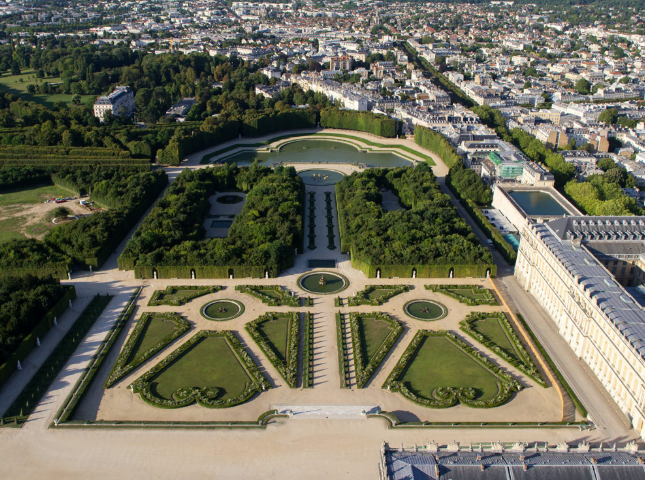
The famous gardens at Versailles, designed by André Le Nôtre, used long sightlines, massive patterns of planting, and enormous scale to show royal power. The message was clear: the ruler had control over land, nature, and society.
English gardens adopted many of these features. Straight paths, geometric beds, and clipped hedges became common.
Knot Gardens and Parterres
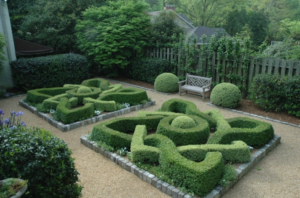
Two striking features of formal gardens were knot gardens and parterres.
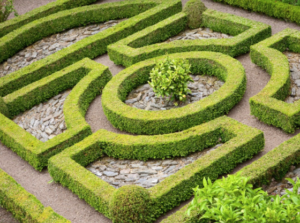
Knot gardens used low hedges and herbs arranged in interwoven patterns. Seen from above, they looked like decorative embroidery laid across the ground.
Parterres were larger ornamental designs created with carefully shaped planting beds. These patterns were meant to be viewed from terraces or upper windows.
Topiary also became popular. Trees and shrubs were trimmed into shapes ranging from cones and spirals to animals and symbols.
These gardens showed a clear idea: nature could be shaped and ordered through human skill.
A New Vision of Nature in the 18th Century
In the 18th century, a major change took place.
Many thinkers and artists began to question the strict control seen in formal gardens. Writers such as Jean-Jacques Rousseau argued that nature had its own beauty when left alone.
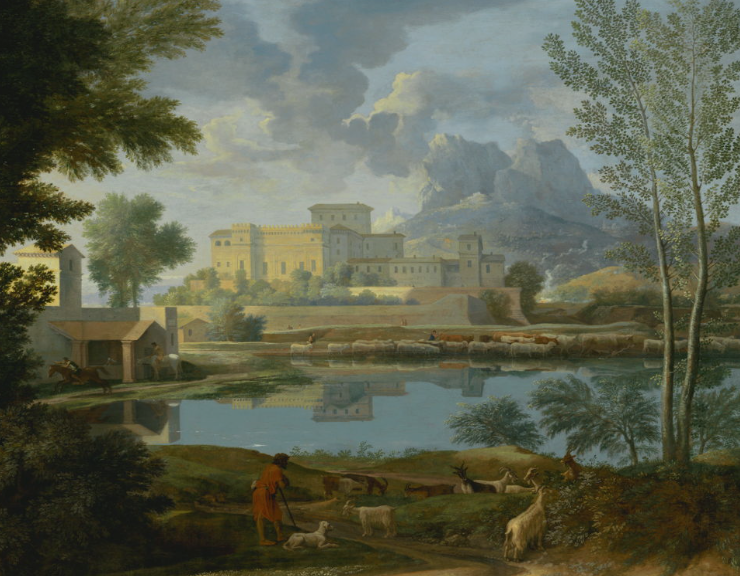
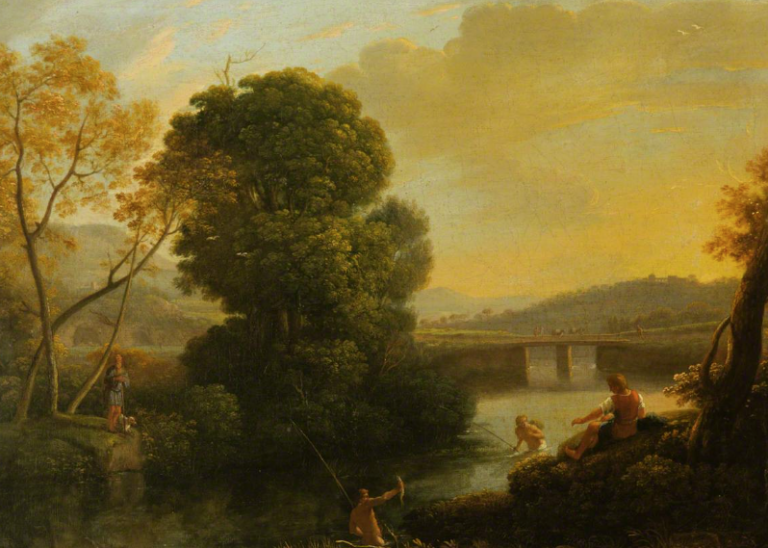
Landscape painting also influenced this shift. Artists like Claude Lorrain and Thomas Gainsborough painted ideal countryside scenes with soft hills, rivers, and scattered trees.
Garden designers began to copy these scenes in real landscapes.
The English Landscape Garden
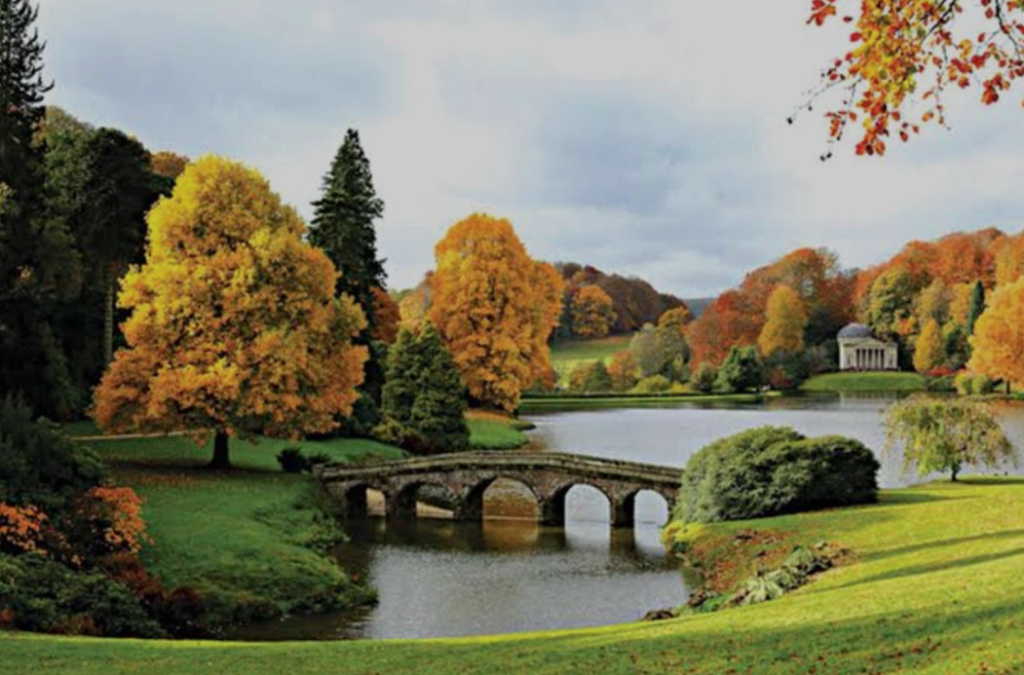
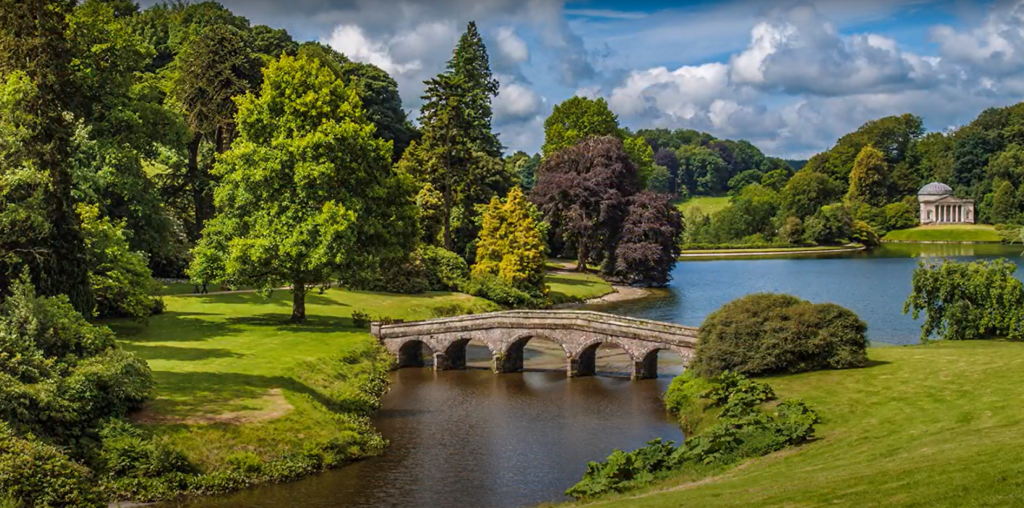
Designers such as William Kent and Lancelot “Capability” Brown transformed estates into rolling landscapes that looked natural.
Brown earned his nickname from his habit of saying a property had “great capabilities” for improvement.
Instead of straight paths and rigid beds, he created:
Wide lawns stretching toward the horizon
Curving lakes shaped to look natural
Clusters of trees placed for visual balance
Gentle slopes and open views
Many formal features disappeared. Walls were removed and the garden blended into the surrounding countryside.
The goal was simple: make the garden look as though it had always existed that way.
In reality, these landscapes were carefully engineered. Rivers were dammed to form lakes, and hills were reshaped to create ideal scenery.
Victorian Gardens and the Age of Plant Collecting
During the 19th century, gardens changed again.
Victorian Britain experienced rapid industrial growth and global exploration. Plant hunters traveled across Asia, Africa, and the Americas searching for new species.
Explorers such as Joseph Hooker and Robert Fortune returned with unfamiliar plants that excited gardeners.
Rhododendrons, camellias, orchids, and many other plants appeared in British gardens for the first time.
Technology Transformed Gardening
New technology helped these plants survive long journeys.
The Wardian case, a sealed glass container, allowed delicate plants to travel across oceans safely. At the same time, heated glasshouses made it possible to grow tropical species in colder climates.
Large conservatories became popular features of estates and botanical gardens.
Victorian gardens often displayed colorful bedding patterns using annual plants such as geraniums and petunias. Beds were arranged in bright geometric designs that resembled carpets of flowers.
These displays showed both gardening skill and pride in the global reach of the British Empire.
Cottage Gardens and the Arts and Crafts Movement
By the late 19th century, many gardeners grew tired of strict bedding patterns.
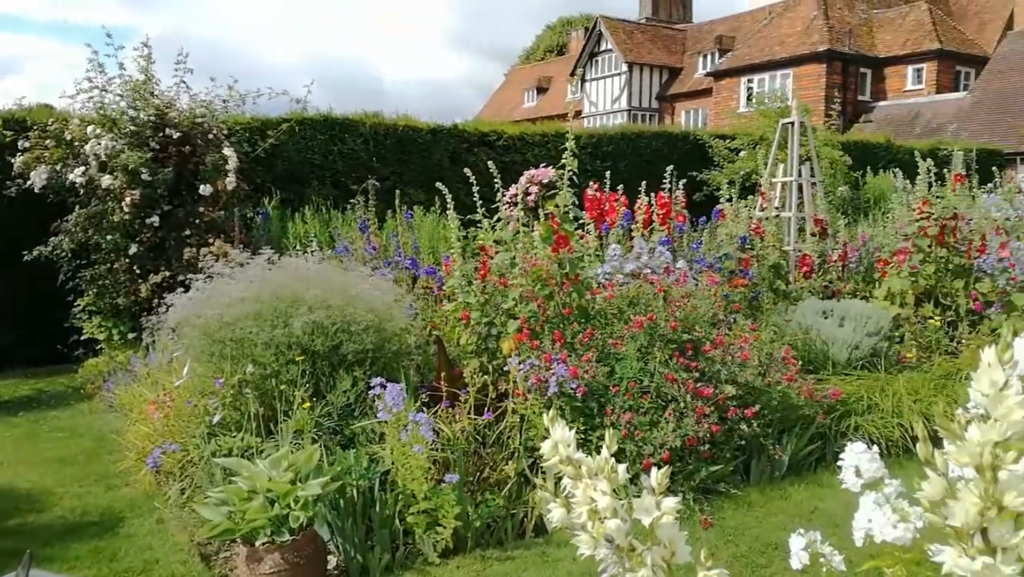
A softer style began to appear, inspired by traditional cottage gardens. These gardens mixed flowers, herbs, and vegetables together in relaxed plantings.
One of the most influential designers of this period was Gertrude Jekyll.
Originally trained as a painter, she treated planting like a work of art. Instead of rigid patterns, she arranged flowers in flowing color combinations that changed through the seasons.
Working with architect Edwin Lutyens, she often paired structured elements such as stone paths and terraces with loose plantings.
This balance created gardens that felt natural but still had clear organization.
Jekyll also wrote extensively about gardening, publishing books and articles that shaped garden design for generations.
Modern Ecological Gardening
In recent years, garden design has taken another turn.
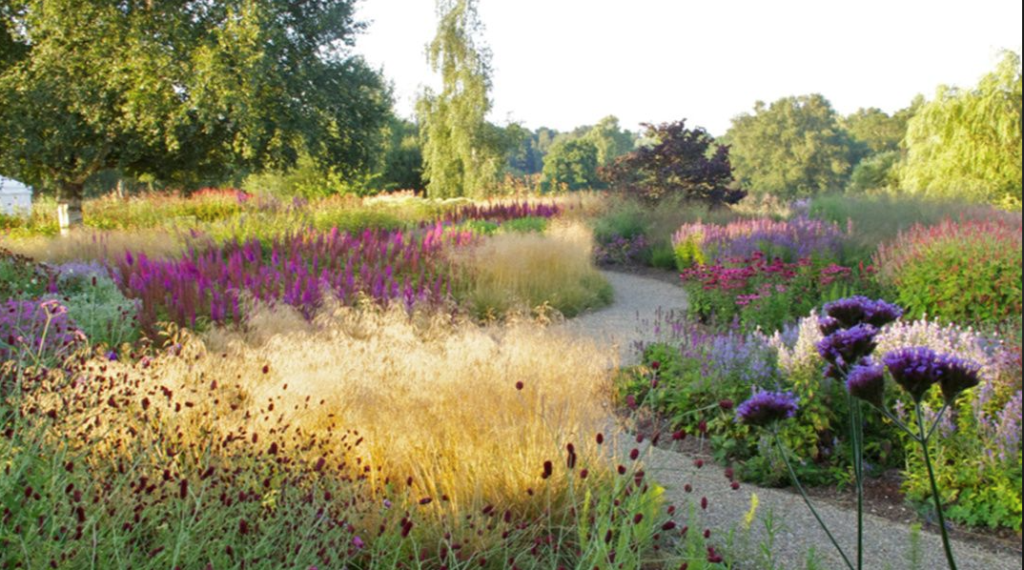
Many gardeners now focus on biodiversity and ecological balance. Instead of perfect lawns and trimmed borders, they create habitats for wildlife.
Native plants are becoming more common because they support local insects, birds, and pollinators.
Some gardens replace lawns with wildflower meadows. Others add ponds, hedgerows, and piles of logs that provide shelter for animals.
This approach often connects to the idea of rewilding. The goal is not neglect, but careful planning that allows natural processes to play a larger role.
Projects such as Homegrown National Park, promoted by entomologist Douglas Tallamy, encourage homeowners to see their gardens as part of a larger environmental network.
Designers Leading the Change
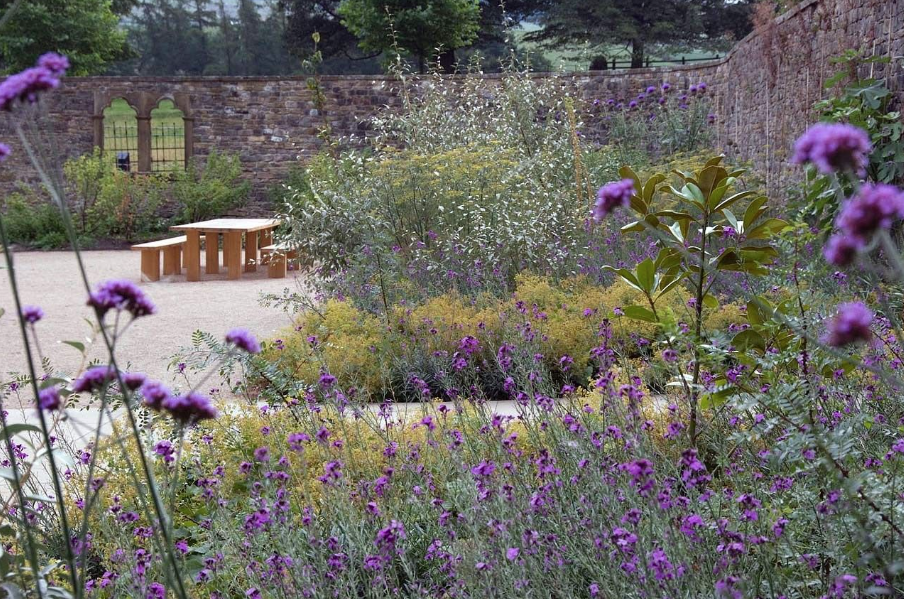
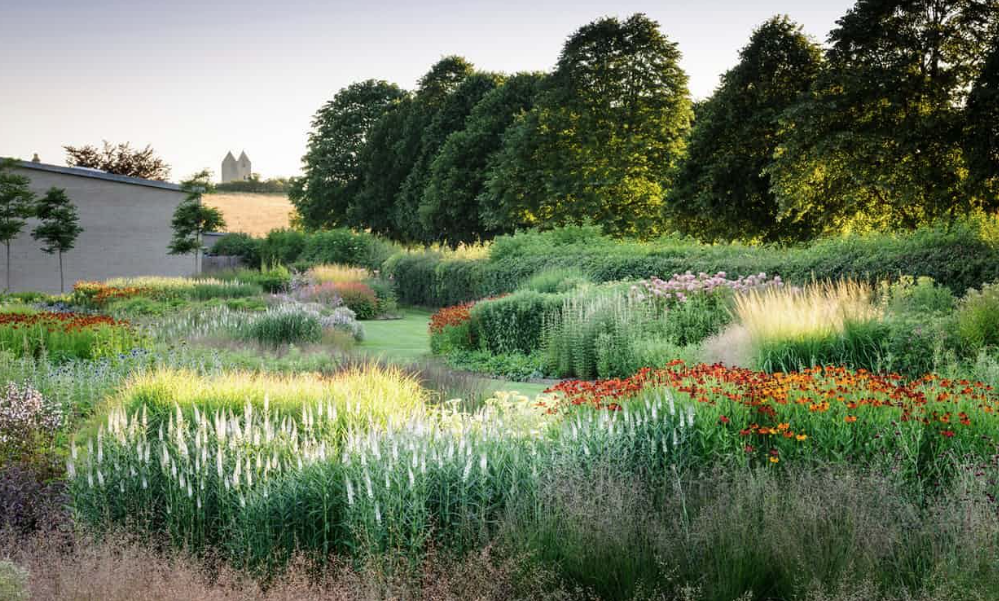
Several modern designers promote this ecological approach.
- Piet Oudolf is known for naturalistic plantings that celebrate seasonal change.
- Dan Pearson designs landscapes that blend gently with surrounding environments.
- Nigel Dunnett works on urban green spaces that support wildlife.
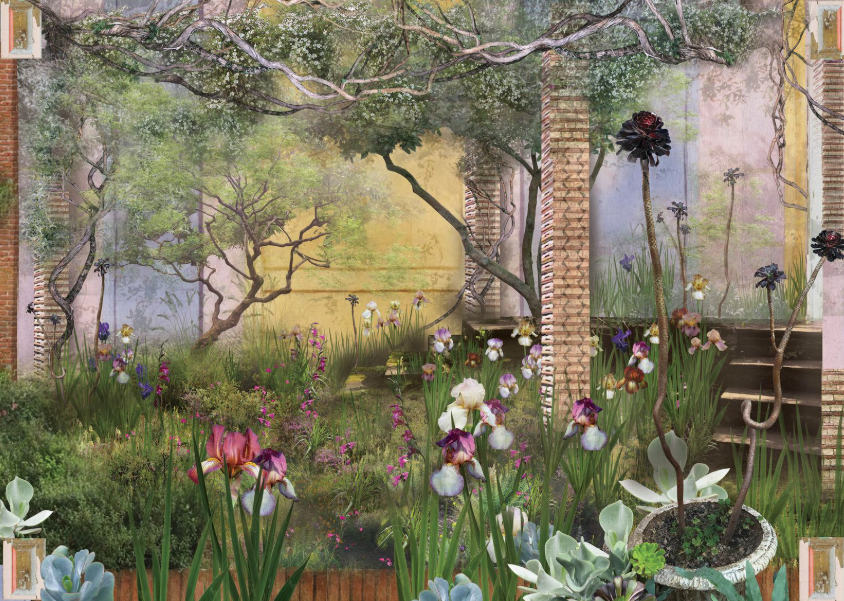
- Sarah Price creates planting designs inspired by natural ecosystems.
Their work shows that modern gardens can be both beautiful and environmentally responsible.
How English Garden Design Continues to Change
Looking back across centuries, a pattern appears.
English garden history moves back and forth between two ideas:
- Control and order
- Freedom and natural beauty
Formal gardens showed power and precision. Landscape gardens sought harmony with nature. Victorian displays celebrated botanical richness. Cottage gardens valued individual plants and seasonal change.
Today’s gardens mix many of these ideas together.
Structure still matters. Paths, walls, and planting plans help shape the space. But there is also a growing respect for ecological systems and the role gardens play in supporting life.
The future may bring even greater focus on climate resilience, water conservation, and native planting.
Gardens will keep evolving, just as they always have.
Frequently Asked Questions
What defines an English garden?
An English garden often features flowing lawns, mixed planting borders, and a natural appearance. The style developed during the 18th century landscape garden movement.
Who was Capability Brown?
Lancelot “Capability” Brown was an 18th-century landscape designer known for shaping estates into sweeping lawns, curving lakes, and natural-looking scenery.
What is a knot garden?
A knot garden is a formal design made with low hedges arranged in interwoven patterns. These gardens were popular in Tudor and Renaissance England.
Why were Victorian gardens so colorful?
Victorian gardeners had access to many new plants collected from around the world. Bright bedding displays showed off these plants and demonstrated gardening skill.
What is rewilding in garden design?
Rewilding encourages gardens to support wildlife by using native plants, reducing lawn space, and creating habitats such as ponds or meadows.
Conclusion
English garden history reveals how deeply gardens reflect human ideas.
Over centuries, they shifted from strict geometry to rolling landscapes, from bright Victorian displays to naturalistic planting. Each change followed new ways of thinking about art, nature, and society.
Today’s gardens carry traces of all these traditions. Paths and walls provide structure, while planting often celebrates natural growth and wildlife.
In the end, the English garden remains a conversation between people and nature. And like that conversation, it never truly stands still.