Garden Design
Learn to See, Shape, and Create Beautiful Gardens
The Garden Is More Than Plants
Garden design is often described as the slowest of the performing arts.
It unfolds over time. It changes with the seasons. And unlike any other art form, you don’t just look at it—you step inside it.
But here’s the truth:
Most gardens aren’t designed.
They’re assembled.
Plants are chosen individually, placed where there’s space, and slowly the garden becomes a collection—rather than a composition.
This section is about changing that.
It’s about helping you move from placing plants…
to designing landscapes.
What You’ll Learn Here
At the heart of every successful garden are two simple ideas:
- The Elements of Design — the building blocks
- The Principles of Design — how those blocks come together
Once you understand these, everything changes. You start to see gardens differently—and design with confidence.
The Elements of Garden Design
The Ingredients
These are the physical qualities that shape every garden:
- Line — how the eye and body move through space
- Form — the shapes and structure of plants and features
- Texture — the contrast between bold and delicate
- Color — the mood, energy, and atmosphere
Together, these create the visual language of your garden.
The Principles of Garden Design
If the elements are your ingredients, the principles are your recipe:
- Unity — creating a cohesive whole
- Balance — achieving visual stability
- Proportion & Scale — designing for human experience
- Rhythm & Repetition — guiding movement through space
- Transition — creating flow between areas
- Emphasis — establishing focal points
This is where gardens move from good… to intentional.
A Living Example: The Cottage Garden
One of the best ways to understand design is to see it in action.
The English cottage garden may look informal and abundant—but beneath that looseness is a clear structure:
- Defined paths and boundaries
- Layered, immersive planting
- A balance between beauty and usefulness
- A garden that works in every season
It’s not accidental. It’s designed to feel natural.
Design Is About More Than Style
Whether your garden is formal or relaxed, modern or traditional, the same truths apply:
- Structure gives freedom meaning
- Repetition creates calm
- Contrast creates interest
- Good design feels effortless—but never happens by accident
And perhaps most importantly:
A garden should work for your life—not just look good in a photograph.
Start With Understanding
Before you plant anything, the best designers begin by reading the space:
- Where does the sun fall?
- What is the soil like?
- How do you want to use the garden?
Because great gardens don’t fight their conditions—they work with them.
Go Deeper
If you want to truly understand garden design, explore the full series:
- YouTube — Visual breakdowns, real garden examples, design walkthroughs
- In-Depth Guides — Detailed articles on each element and principle
- Garden Practice — How these ideas play out in a real garden over time
Start with the full guide to Garden Design Principles & Elements
Watch the Design Series on YouTube
Guide to Garden Design
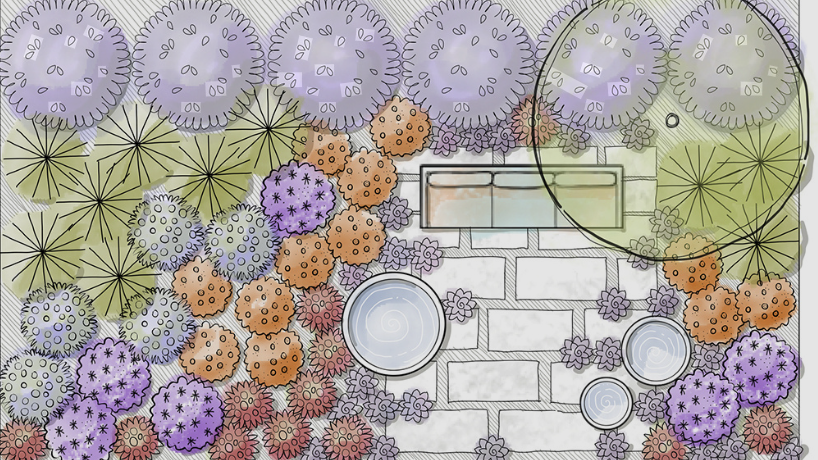
YouTube Design Series
In-Depth Guides
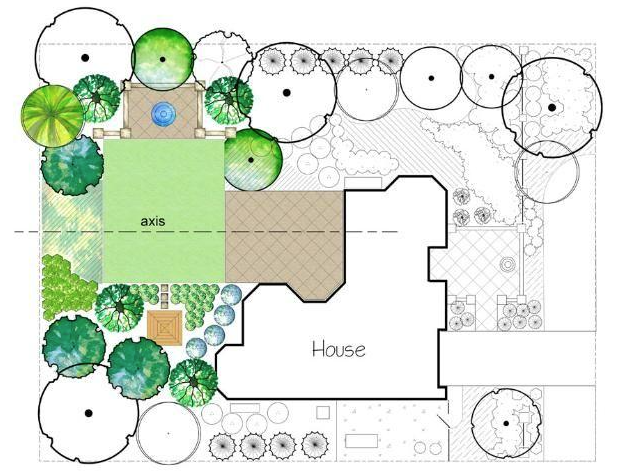
Garden Practice