
Our Garden Transformation
Our Garden Transformation
19:50
3:20
13:03
🌿 25-Year Garden Transformation: From Weeds to an English Cottage Paradise
Introduction
What does it really take to transform a garden?
Not a weekend. Not a season. Sometimes—it takes decades.
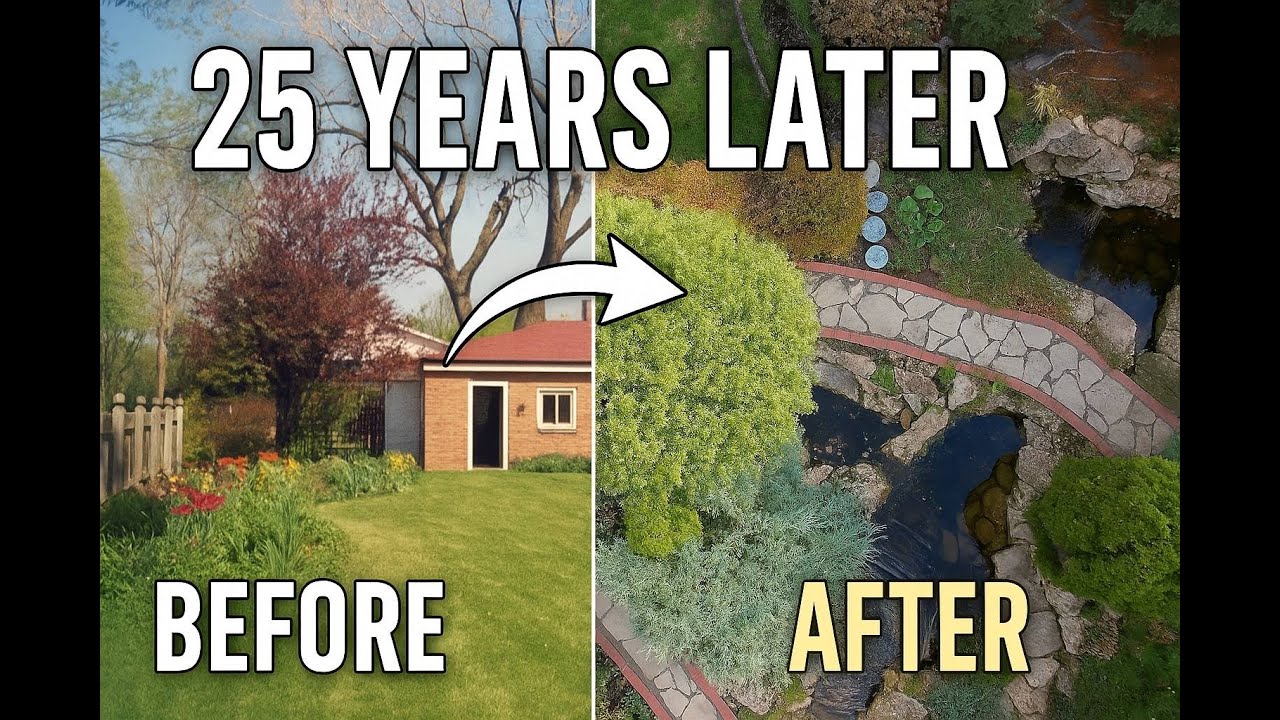
This garden didn’t start as a dreamy, overflowing cottage landscape. It began as something far more familiar: overgrown, neglected, and full of potential. What followed was a 25-year journey of patience, creativity, and evolution—turning a blank (and often messy) space into a living, breathing English cottage garden.
In this post, I’m walking you through that transformation—what changed, what worked, and what you can take from it for your own garden.
🌱 The Beginning: A Garden Full of Weeds (and Possibility)
[INSERT SCREENSHOT: Early footage of the garden – overgrown, messy, before any work begins]
Like most real gardens, this one didn’t begin with a masterplan—it began with clearing space.
The early years were about:
- Removing weeds
- Understanding the soil
- Observing light and shade patterns
- Figuring out what might grow
At this stage, progress feels slow. But this is where the foundation is built.
👉 Key takeaway: Every great garden starts with observation—not planting.
🏡 Finding a Style: The Pull Toward Cottage Gardening
[INSERT SCREENSHOT: First signs of structure or early planting beds]
Over time, a direction began to emerge: the relaxed, abundant feel of an English cottage garden.
This style is defined by:
- Dense, layered planting
- A mix of flowers, herbs, and shrubs
- Informal structure (but hidden intentional design)
- Seasonal change and movement
Rather than rigid layouts, the garden evolved organically—plants were added, moved, and sometimes removed entirely.
👉 Key takeaway: Your garden style often reveals itself over time—don’t rush it.
🌸 Building Layers: The Secret to That “Full” Look
[INSERT SCREENSHOT: Mid-stage garden with visible planting layers]
One of the biggest shifts came from understanding layering.
A successful cottage garden isn’t just about what you plant—it’s about how plants interact vertically:
- Ground layer: low growers and ground cover
- Mid layer: perennials and seasonal color
- Upper layer: shrubs, climbers, and structure
This creates:
- Depth
- Texture
- A sense of abundance
👉 Key takeaway: Think in layers, not just individual plants.
🌿 Trial, Error, and Learning the Hard Way
[INSERT SCREENSHOT: Any example where something didn’t work or was changed]
Over 25 years, not everything worked—and that’s the point.
Some plants:
- Outgrew their space
- Failed in certain conditions
- Needed moving (sometimes multiple times)
This is where real gardening knowledge comes from.
👉 Key takeaway: A thriving garden is built on mistakes as much as successes.
🌼 Creating That “Effortless” Look (That Isn’t Effortless at All)
[INSERT SCREENSHOT: Mature garden looking full and abundant]
By this stage, the garden begins to feel magical—loose, natural, and full.
But behind that look is intentional design:
- Repetition of plants for cohesion
- Controlled color palettes
- Managed self-seeding
- Strategic pruning
It may look wild—but it’s guided.
👉 Key takeaway: The best cottage gardens are edited chaos.
🌷 Seasonal Interest: A Garden That Never Stops Changing
A true cottage garden isn’t static—it evolves through the seasons.
Spring brings:
- Fresh growth
- Early blooms
- Energy returning
Summer delivers:
- Peak color
- Fullness
- Pollinator activity
Autumn adds:
- Texture
- Seed heads
- Warm tones
And even winter has structure and quiet beauty.
👉 Key takeaway: Plan for year-round interest, not just peak season.
🌳 25 Years Later: The Garden Today
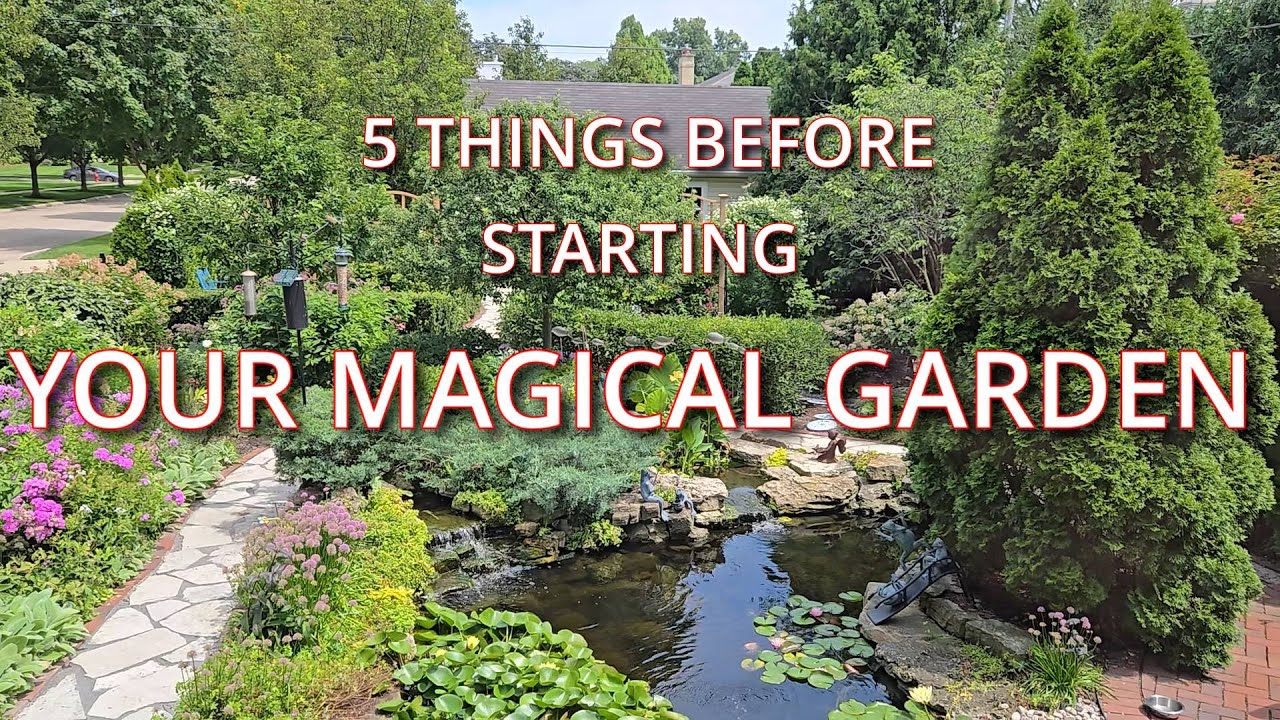
[INSERT SCREENSHOT: Final reveal – the garden at its best]
After 25 years, the transformation is remarkable.
What was once weeds is now:
- A layered, immersive planting space
- A habitat for wildlife
- A reflection of time, patience, and care
But importantly—it’s still evolving.
Because no real garden is ever “finished.”
🌱 What You Can Learn From This Transformation
You don’t need 25 years to start—but understanding this journey can change how you garden.
1. Start before you feel ready
You’ll figure it out as you go.
2. Work with your garden, not against it
Light, soil, and climate always win.
3. Embrace change
Moving plants is part of the process.
4. Think long-term
The best gardens are built slowly.
5. Enjoy the process
Because that is the reward.
Final Thoughts
This garden wasn’t created overnight—and that’s exactly why it works.
It tells a story.
And the best part? Your garden is doing the same thing—right now.
🎥 Watch the Full Transformation
(Embed your YouTube video here)