
Irises: The Flower of History, Resilience, and Effortless Beauty
There are certain plants that feel like they’ve always belonged in a garden—and irises are one of them.
Long before they found their way into our borders and beds, irises were already woven into human history. Their story stretches back over 4,000 years, rooted in the Mediterranean and parts of Asia, and shaped by mythology, royalty, and generations of gardeners who simply couldn’t resist them.
The name itself comes from the Greek goddess Iris—the messenger who traveled between heaven and earth on a rainbow. According to legend, wherever she stepped, flowers sprang up in a spectrum of colors. It’s not hard to see how the iris earned its name.
In ancient Greece, irises were planted on graves to guide souls to the afterlife. In Egypt, they became symbols of power—so valued that King Thutmose III brought them back from Syria to adorn royal gardens and monuments. Centuries later, the stylized iris became the fleur-de-lis, the enduring emblem of French royalty.

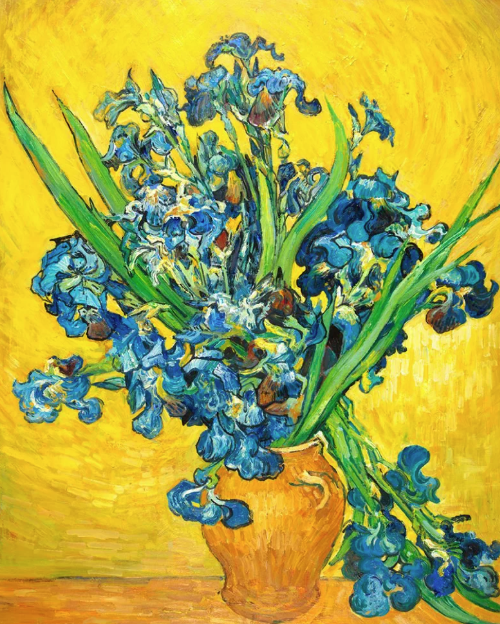
Even in art, the iris holds its place. Painters like Vincent van Gogh captured its form and color, turning a garden flower into something timeless.
From “Flags” to Garden Stars
Up until the early 20th century, most irises in American gardens were simply known as “flags.” They bloomed reliably, asked for very little, and were passed from garden to garden without much thought to their names or origins.
Then something changed.
Between 1910 and 1920, a surge of interest in breeding transformed the iris world. New varieties appeared—larger, more vibrant, more dramatic. This excitement eventually led to the formation of the American Iris Society, and from there, the explosion of the thousands of cultivars we have today.
And yet, despite all that breeding and refinement, the core nature of the iris hasn’t changed.
It is still one of the most dependable plants you can grow.
Understanding the Types of Irises
Most gardeners know the tall, dramatic Bearded Iris—the classic late-spring showstopper. These grow from rhizomes (thick, horizontal roots) that sit right at the soil surface.
But there’s a whole other world beyond them:
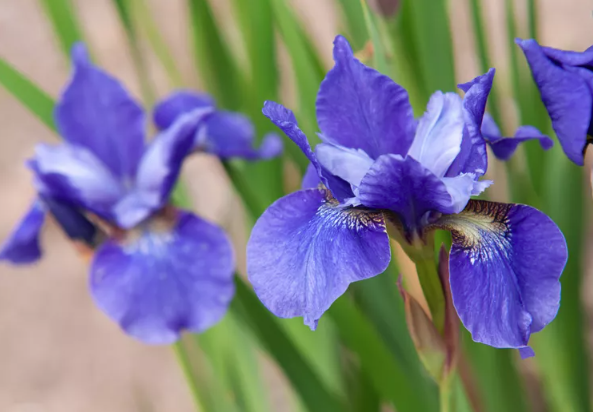
Siberian Iris – elegant, grass-like foliage, incredibly hardy
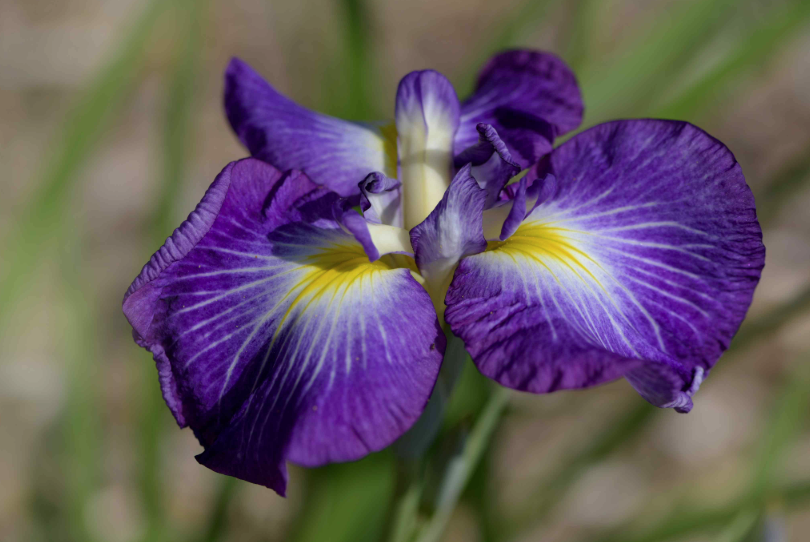
Japanese Iris – flat, almost painterly blooms, loves moisture
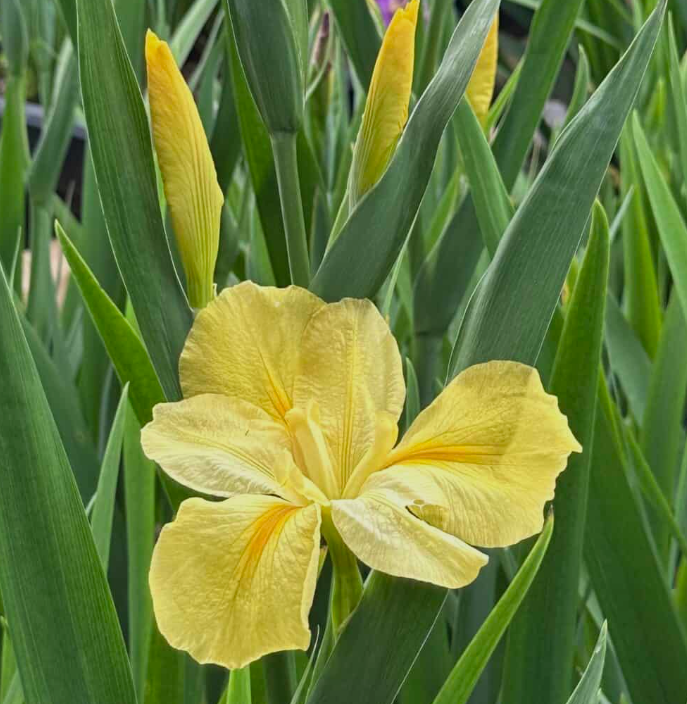
Louisiana Iris – bold, native types with striking color patterns
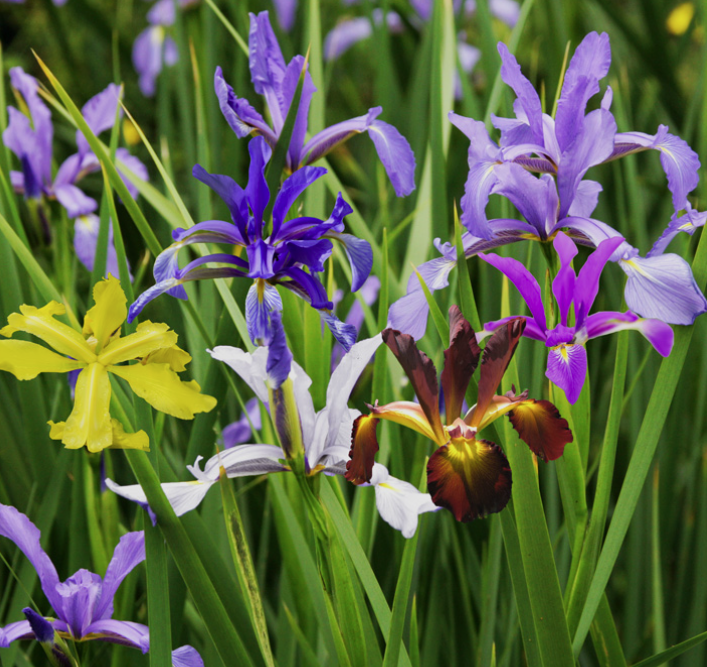
Wild Irises – naturalistic and perfect for wetter areas
How to Grow Irises Successfully
Irises have a reputation for being easy—and they’ve earned it.
But there are a few key things they really care about:
Light
Give them sun. Six hours minimum. More sun = more flowers.
Soil
Drainage matters more than richness. If the soil stays wet, rhizomes rot.
Planting Depth (this is critical)
Bearded iris rhizomes should sit at or slightly above the soil surface. If you bury them, they sulk—or fail entirely.
Watering
They don’t need constant moisture. Water to establish, then let the soil dry slightly between waterings.
Feeding
A balanced or low-nitrogen fertilizer works best. Too much nitrogen gives you leaves… not flowers.
Why Dividing Matters
If there’s one task that keeps irises performing year after year, it’s division.
Over time, clumps become crowded. When that happens:
- Blooming declines
- Airflow decreases
- Disease risk increases
Dividing every 3–5 years resets the plant.
And the best part? One clump can turn into ten.
A Plant That Outlasts the Garden
One of the most remarkable things about irises is their persistence.
You’ll often find them in abandoned gardens—no care, no maintenance, just surviving. And not just surviving… still blooming.
That tells you everything you need to know.
They’re not delicate.
They’re not demanding.
They’re simply waiting for a bit of attention to become spectacular again.


Irises have a way of marking the season—quietly returning, a little fuller each year.
Keeping a simple record of when they bloom, when you divide them, and how they respond to your garden can turn into something truly meaningful over time.
This spiral-bound garden notebook is designed for exactly that kind of slow observation—something to return to year after year.
Want the Step-by-Step?
If you’re planning to divide or transplant your irises this season, I’ve put together a full, printable guide that walks you through the exact process I use in the garden.
Get the Free Guide
Free Garden Resource Library
Get instant access to all of our guides.
Thank you!
Check your email in a moment for your Garden Resource Library access.