
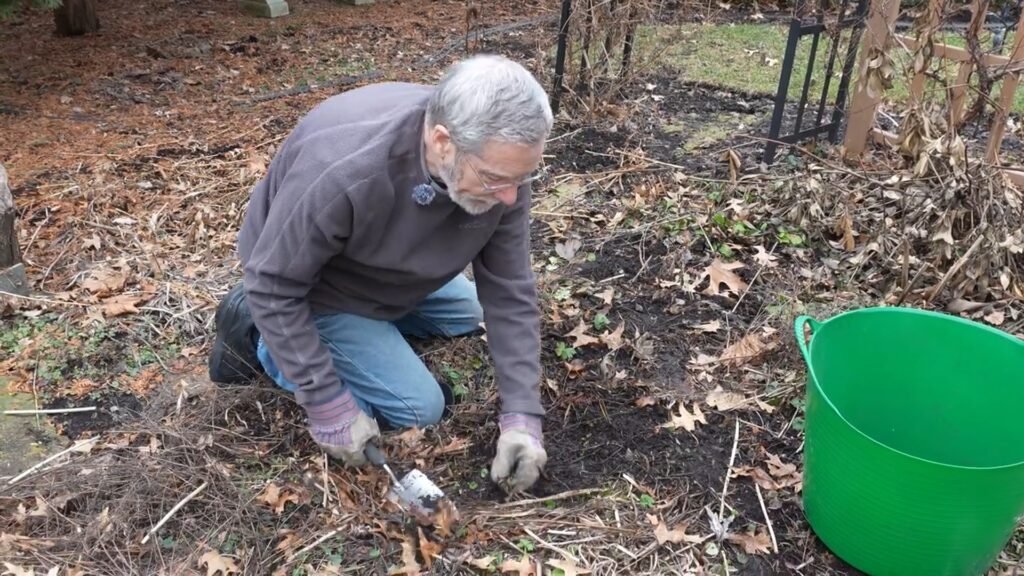
February Gardening in Zone 5b: Patience, Preparation & the First Signs of Spring
There’s something irresistible about the first mild day in February. After months indoors, the garden starts calling again—and even if it’s too early for most tasks, just being outside feels like progress.
If you garden in Zone 5b, February isn’t about action—it’s about restraint, preparation, and observation. This is the month where good decisions quietly set up a successful season ahead.
Welcome back to Our Magical Garden. Let’s step into the garden and walk through what actually matters right now.
The Rule of 50° (and the Forsythia Test)
Before diving into tasks, there’s one guiding principle:
Wait until temperatures are consistently around 50°F before doing major pruning or active work.
A simple natural cue? Watch for Forsythia blooming.
When those bright yellow flowers appear, it’s nature’s signal that the soil is warming—and your garden is ready.
Until then: patience.
February Checklist
1. Tool Maintenance (Unexciting—but Essential)
Start indoors or in the garage:
- Sharpen pruners and shears
- Oil wooden handles
- Clean blades to prevent disease spread
- Replace anything broken
It’s simple work—but clean, sharp tools make a huge difference once the season begins.
2. Cut Back Perennials (Without Disturbing the Soil)
If you left your garden “messy” over winter—good. That layer of leaves and stems:
- Protected your plants from extreme cold
- Provided shelter for pollinators and beneficial insects
Now, you can:
- Cut back dead perennial growth to ground level
- Leave debris in place as a natural mulch
- Avoid aggressive raking
A practical tip: hedge clippers make this job much faster and easier than hand snipping.
3. Inspect for Winter Damage
February reveals what winter has done. Take a slow walk through your garden and check for:
- Split bark on young trees
- Frost heave (plants pushed up out of the soil)
- Broken branches from snow load
- Animal damage at the base of shrubs
If the soil is workable, gently press lifted plants back into place.
Fixing these issues now prevents bigger problems once growth begins.
4. Plan the Season (This Is the Big One)
February is planning month.
Before you buy anything:
- Sketch your beds
- Identify what worked—and what didn’t
- Decide what to remove
Here’s the truth most gardeners overlook:
Every garden improves when something is taken out, not just added.
Maybe a bed has become too shady. Maybe shrubs have outgrown their space. Maybe a design no longer works.
Now is the time to rethink it—before the garden center tempts you into impulse buys.
5. Cut Back Grasses & Structural Plants
If you left ornamental grasses and seed heads standing (great choice), now’s the time to cut them back:
- Trim grasses to 4–8 inches above the crown
- Cut perennials before new growth emerges
Timing matters. Wait too long, and you risk damaging fresh shoots.
6. Prune Vines Thoughtfully
Fast-growing climbers like Clematis can be cut back now—but not always to the ground.
A smarter approach:
- Cut back to where the stem color changes (live wood)
- Leave some height to encourage faster regrowth
This keeps coverage on structures like arbors while still controlling size.
7. Hold Off on Roses
It’s tempting—but don’t prune roses yet in Zone 5b.
Wait until:
- Temperatures stabilize
- The worst freezes are behind you
When the time comes:
- Remove dead and weak growth
- Open the center for airflow
- Shape confidently (roses respond well to bold pruning)
8. Early Weeding (While You Can Still See It)
Weeds like creeping Charlie are already visible before perennials fill in.
Take advantage:
- Remove what you can now
- Don’t worry about perfection (frozen soil limits root removal)
It’s about getting ahead—visibility is your advantage right now.
🚫 What NOT to Do in February
In Zone 5b, these are just as important:
- Don’t fertilize
- Don’t plant tender perennials outdoors
- Don’t disturb frozen soil
- Don’t trust warm spells (false spring is real)
A few warm days don’t mean winter is over.
A Small Side Project: Protecting Bird Feeders
Winter also reveals practical garden challenges—like squirrels raiding feeders.
Even with baffles, they’ll find creative ways in. Solutions might include:
- Relocating feeders (if possible)
- Using deterrents
- Adjusting placement relative to trees and structures
Sometimes, gardening is just as much about problem-solving as planting.
The Real Reason to Be Out There
Let’s be honest—February gardening isn’t just about productivity.
It’s about:
- The smell of the soil
- The first signs of life
- The simple act of being outside again
Even small tasks—cutting back stems, pulling a few weeds—feel meaningful after a long winter.
Final Thoughts
February is a quiet but powerful month in the garden.
Nothing looks dramatic yet—but beneath the surface, everything is preparing to grow.
If you focus on:
- Maintenance
- Observation
- Thoughtful planning
…you’ll set yourself up for a far stronger, more intentional season.
Watch the Video
Get the Free Guide
Free Garden Resource Library
Get instant access to all of our guides.
Thank you!
Check your email in a moment for your Garden Resource Library access.