
The Elements of English Cottage Garden Design: Structure, Abundance, and Timeless Charm
There’s something about an English cottage garden that stays with you.
It’s not just the flowers—though they are abundant and beautiful. It’s the feeling. A sense of softness, history, and quiet structure beneath the surface. A garden that welcomes you in rather than holding you at a distance.
Today, I want to explore the elements that define English cottage garden design—because, more than any individual plant, these principles are what truly shape a garden over time.
And perhaps surprisingly, winter is the perfect moment to talk about it.
Because a true cottage garden isn’t just about peak summer color. It’s about structure, layering, and the way a garden lives and breathes through every season.
Informal, But Never Accidental
At first glance, a cottage garden feels relaxed—almost wild.
Plants spill over paths, flowers weave together, and nothing seems rigid or overly controlled.
But look closer, and you’ll find something else entirely.
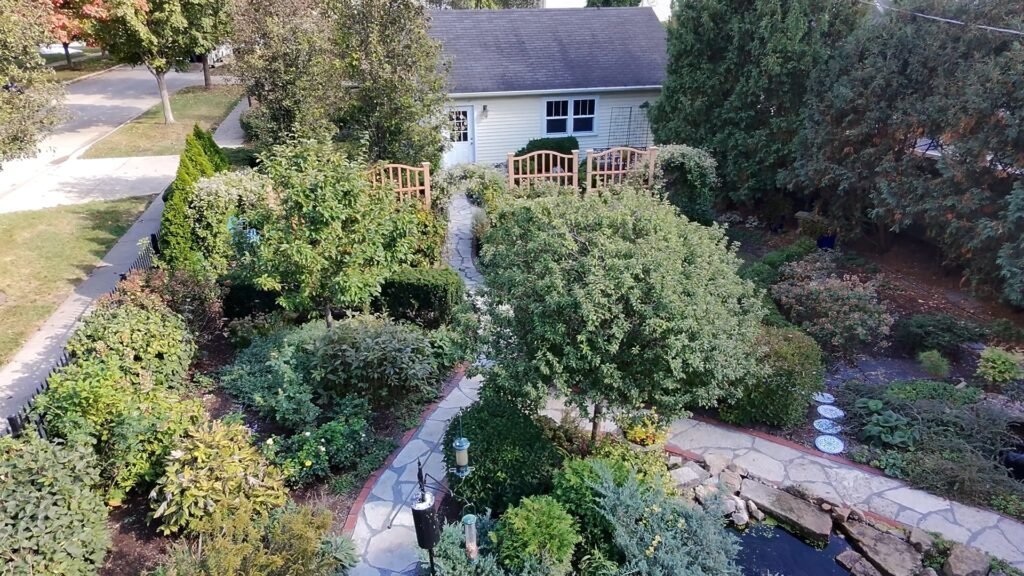
Beneath that softness is a clear and deliberate structure:
- Paths that guide movement
- Borders that define space
- Boundaries that contain abundance
- Garden “rooms” that create a sense of journey
Traditionally, these structures are built using simple, timeless materials:
- Brick and stone
- Gravel paths
- Clipped hedging
- Wooden fencing
The planting may appear loose, but it exists within a framework that gives the garden coherence and balance.
Abundance and Layered Planting
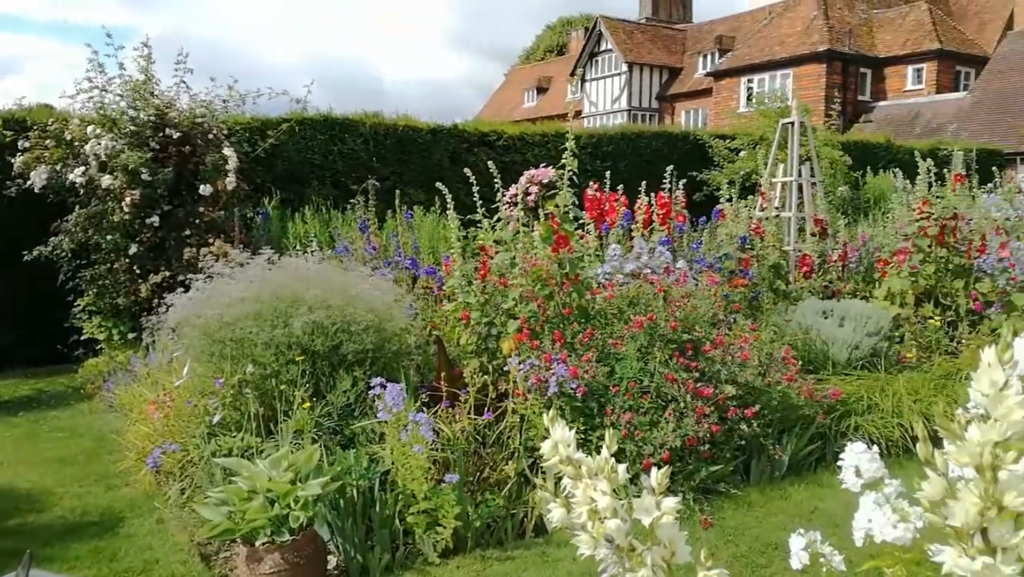
Cottage gardens are known for their generosity.
Plants are packed closely together, layered from ground to sky, creating a sense of depth and immersion.
This approach includes:
- Tall plants rising through lower layers
- Mid-level fillers creating fullness
- Ground covers knitting everything together
The result is a garden that feels lush and alive.
But this isn’t just about aesthetics. Dense planting also:
- Suppresses weeds
- Retains soil moisture
- Creates a more resilient ecosystem
It’s beauty with purpose—something cottage gardens have always embodied.
Beauty Meets Usefulness
Historically, cottage gardens weren’t purely ornamental.
They were working spaces—places where flowers grew alongside food and medicine.
And that tradition still holds value today.
You might find:
- Roses growing beside lavender
- Herbs edging pathways
- Fruit trees integrated into borders
- Vegetables tucked among perennials
This blend of ornamental and edible planting creates a garden that feels authentic, grounded, and deeply human.
Plants with a Sense of History
The classic cottage garden palette carries centuries of tradition.
Plants like:
- Roses
- Foxgloves
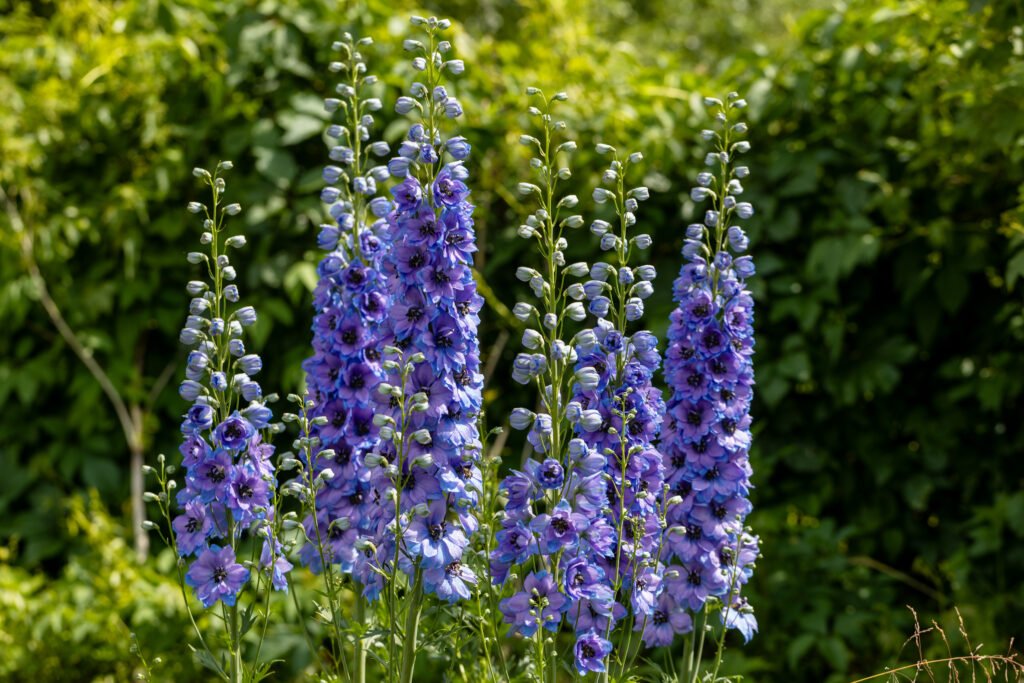
- Delphiniums
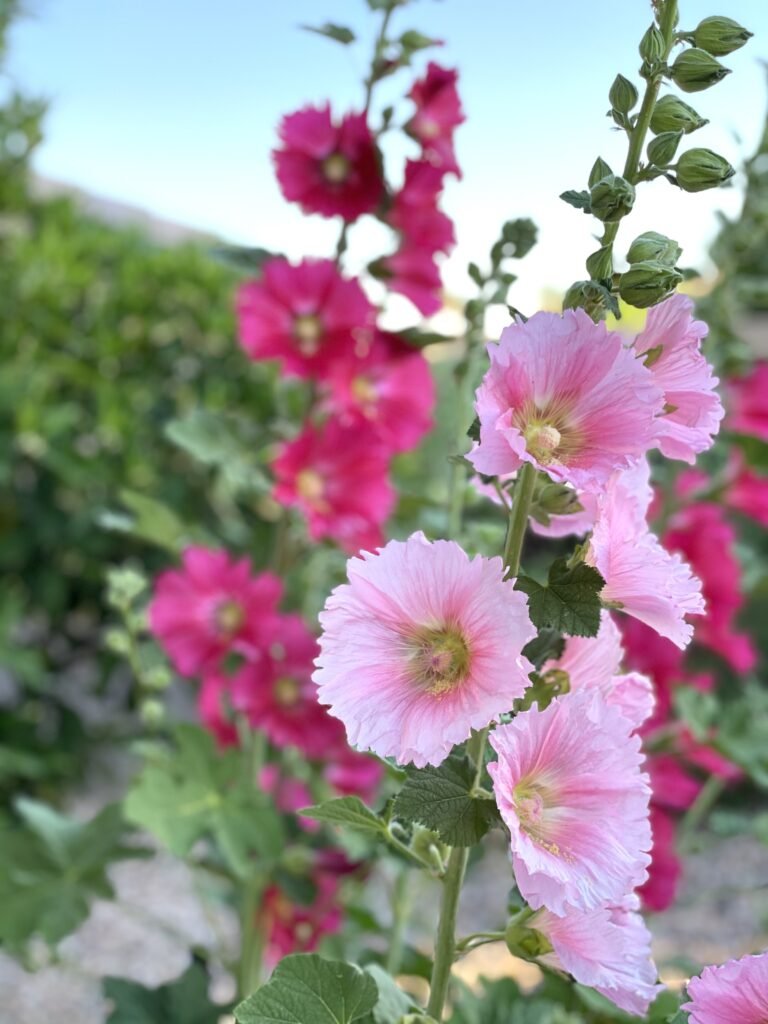
- Hollyhocks
…aren’t just beautiful—they connect us to generations of gardeners before us.
Using them isn’t about recreating the past exactly.
It’s about building on it—allowing history to inform your choices while still making the garden your own.


A Garden Alive with Wildlife
A true cottage garden hums with life.
Rich planting provides:
- Nectar and pollen for pollinators
- Shelter for insects and birds
- Seeds and structure through winter
In summer, the garden buzzes.
In winter, it still gives—offering food and protection when it matters most.
This relationship with wildlife isn’t incidental. It’s part of what gives a cottage garden its vitality.
Softness at the Edges
One of the most distinctive features of cottage gardens is how they soften boundaries.
Plants are allowed—encouraged, even—to:
- Spill onto paths
- Lean against walls
- Blur the edges between spaces
This creates a relaxed, welcoming atmosphere.
It draws you in.
And importantly, this softness is intentional. It’s designed to feel natural, even though it’s carefully guided.
Year-Round Interest
Cottage gardens are often associated with summer—but a well-designed one never truly fades.
In winter, the structure becomes visible:
- Pathways
- Evergreen forms
- Architectural plants
- Seed heads catching frost and light
These quieter moments reveal the backbone of the garden.
They remind us that beauty doesn’t disappear when flowers fade—it simply changes.
A Balance, Not a Formula
Perhaps the most important thing to understand is this:
Cottage garden design isn’t a strict set of rules.
It’s a balance:
- Structure and freedom
- Tradition and individuality
- Beauty and usefulness
It has evolved over centuries—shaped by climate, necessity, and the creativity of individual gardeners.
And that’s why it feels so enduring.
Because at its heart, a cottage garden isn’t just a style.
It’s a way of gardening.
Final Thoughts
What I love most about English cottage garden design is how personal it becomes.
Once you understand the elements—the structure, the layering, the history—you begin to see how they can adapt to any space.
Large or small.
Formal or relaxed.
Traditional or modern.
And perhaps that’s the real magic of it.
Not that it looks a certain way—but that it feels a certain way.
Timeless. Welcoming. Alive.
Free Garden Resource Library
Get instant access to all of our guides.
Thank you!
Check your email in a moment for your Garden Resource Library access.