
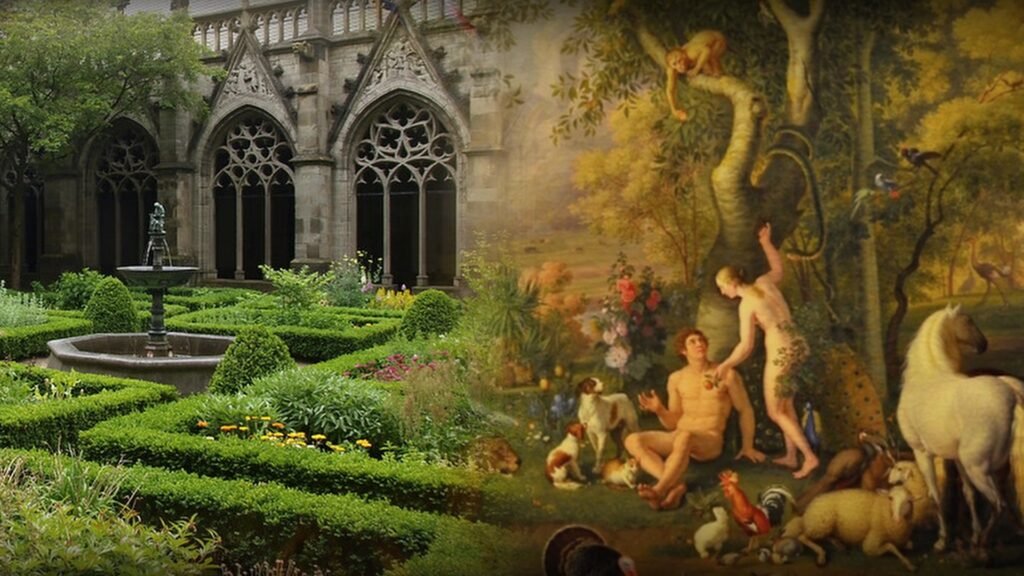
The Relationship Between Art and the Garden: A Living Canvas Through the Ages
A garden is perhaps the most demanding medium an artist can choose. Unlike oil on canvas or marble under a chisel, the garden is a four-dimensional masterpiece. It breathes, it grows, it wilts, and it demands a constant dialogue with the seasons.
Throughout history, the boundary between the “fine arts” and horticulture has been porous. Painters have used gardens to explore light and philosophy, while landscape architects have used the principles of composition, color theory, and perspective to turn the earth into a gallery.
In this deep dive, we will trace the lineage of this symbiotic relationship—from the mythical origins of paradise to the stark, geometric abstractions of the modern era.
1. The Garden of Eden: The Birth of the Archetype
Long before the first landscape was painted, the garden existed in the human psyche as a site of divine perfection. The concept of the “Garden of Eden” or the “Paradise Garden” provides the foundational logic for almost all Western and Near Eastern garden design.
The Art of the “Hortus Conclusus”
In the Middle Ages, the garden was depicted in art as the Hortus Conclusus (Enclosed Garden). This wasn’t just a physical space; it was a symbolic one. In religious iconography, particularly those depicting the Virgin Mary, the garden represented purity and protection from the “wild” world outside.
The Artistic Influence: Medieval tapestries and manuscripts (like the Roman de la Rose) depicted gardens with strict boundaries, symbolic flowers (lilies for purity, roses for martyred love), and a central fountain representing the “fountain of life.”
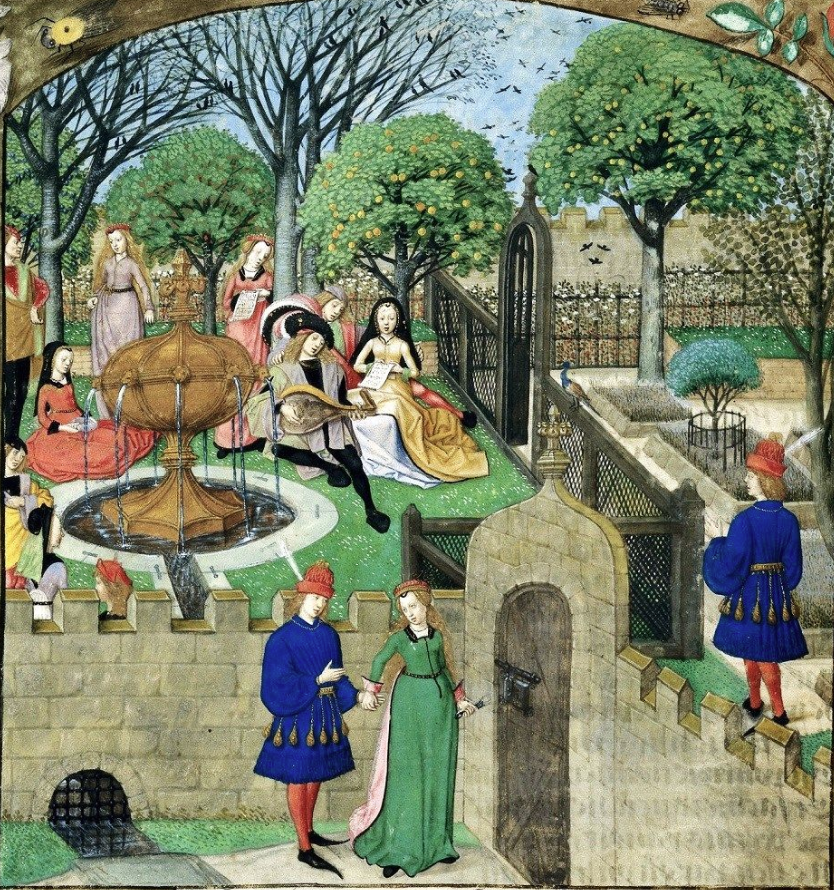
The Garden Influence: This led to the creation of cloister gardens and small, walled herb gardens. The art dictated that a garden was a place of retreat and meditation, separated from the chaos of nature.
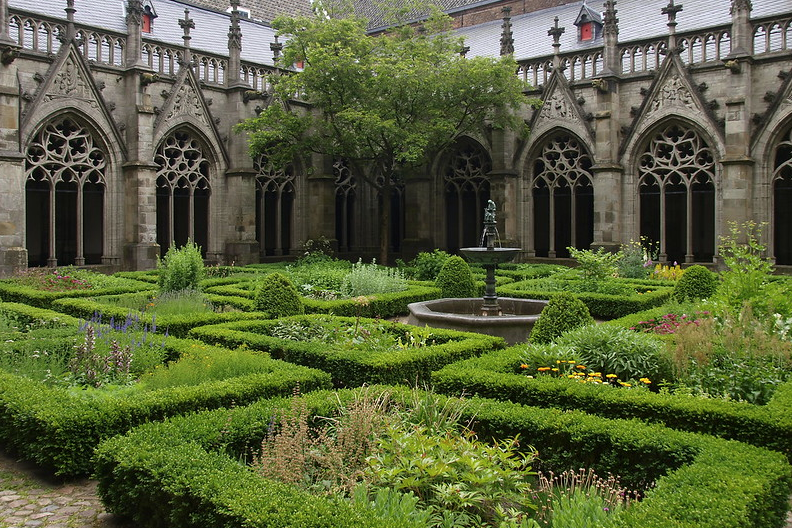
Key Figures & Examples
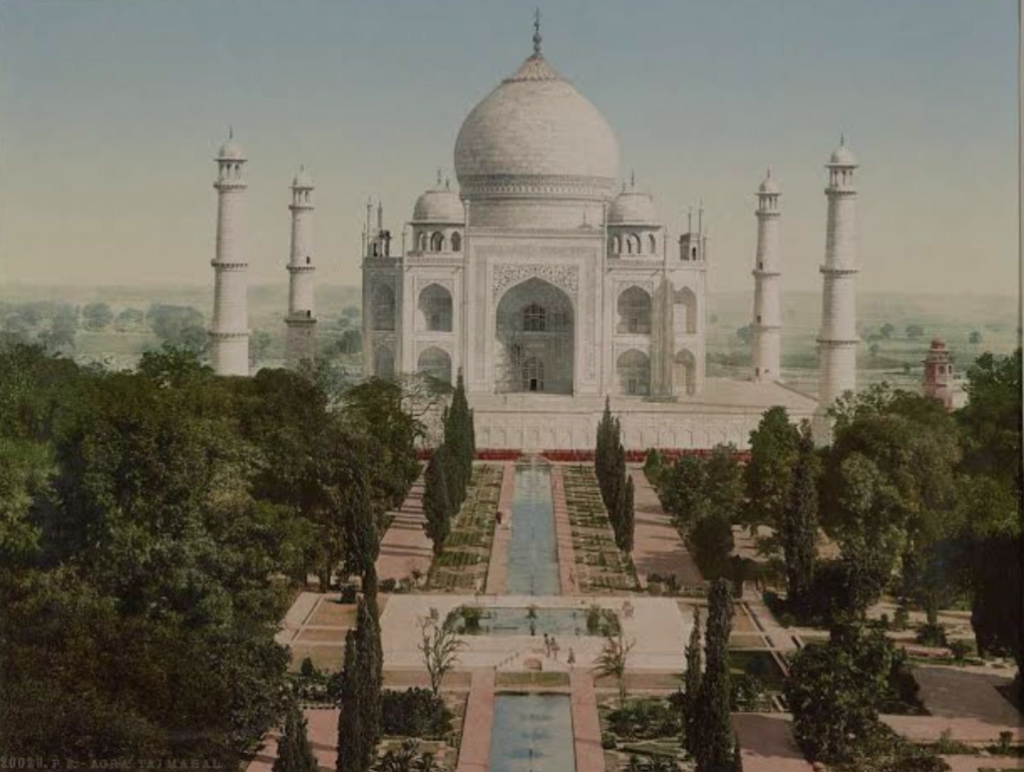
The Persian “Pairidaeza”: The root of our word “Paradise,” these gardens were divided into four quadrants by water (the Charbagh), a design seen in both the physical Taj Mahal gardens and the intricate Persian carpets that sought to bring the garden indoors.
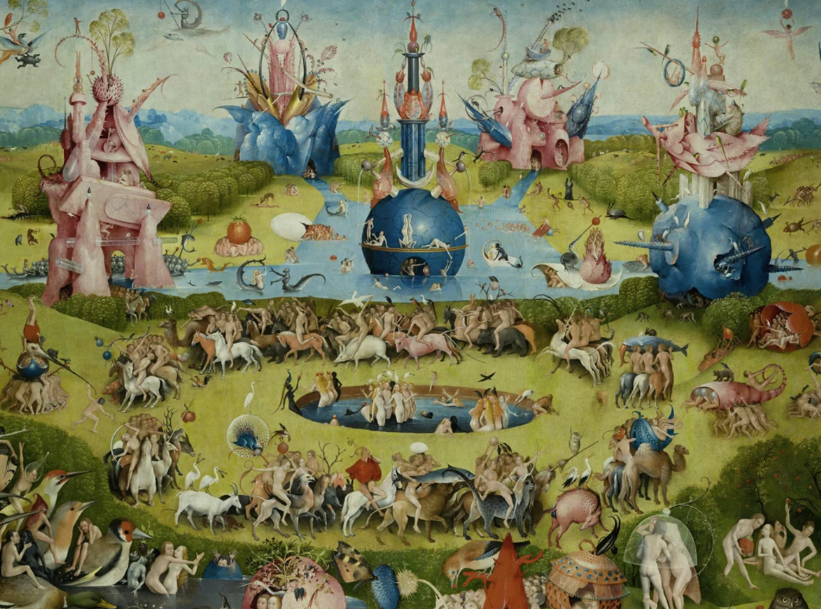
Hieronymus Bosch: While his Garden of Earthly Delights is a surrealist fever dream, the central panel reflects the late-medieval obsession with the garden as a stage for human experience.
2. The Enlightenment: Reason, Control, and the Picturesque
As we moved into the 17th and 18th centuries, the garden became a political and intellectual statement. The Enlightenment brought a fascination with order, mathematics, and the human ability to “improve” upon nature.
The French Formal Style: Geometry as Power
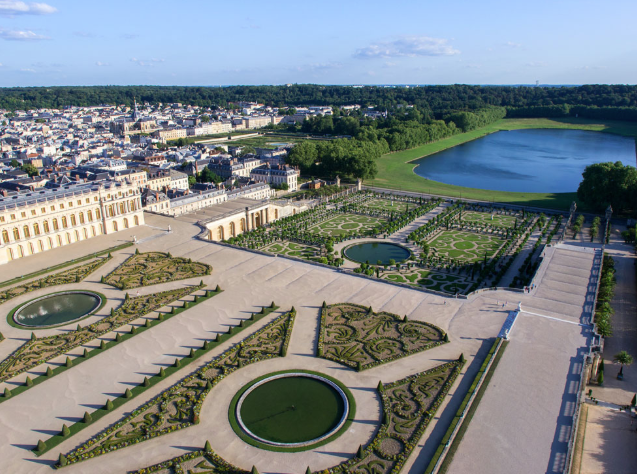
Under the reign of Louis XIV, the garden became an extension of architecture. André Le Nôtre, the mastermind behind the Gardens of Versailles, treated the landscape like a massive, living geometry problem.
The Art Connection: This period mirrored the Neoclassical movement in art, which emphasized symmetry, clarity, and Greek/Roman ideals.
Garden Design: Long vistas (allées), clipped hedges (topiary), and mirrored pools (parterres) were designed to be viewed from above—essentially turning the ground into a massive, two-dimensional painting.
The English Landscape Movement: The "Painterly" Garden
By the mid-18th century, a rebellion occurred. The English “Landscape” school, led by figures like William Kent and Lancelot “Capability” Brown, moved away from straight lines. They were deeply influenced by the landscape paintings of Claude Lorrain and Nicolas Poussin.
The Artistic Influence: Travelers on the “Grand Tour” brought back paintings of the Italian countryside—idealized scenes of rolling hills, ruined temples, and soft light.
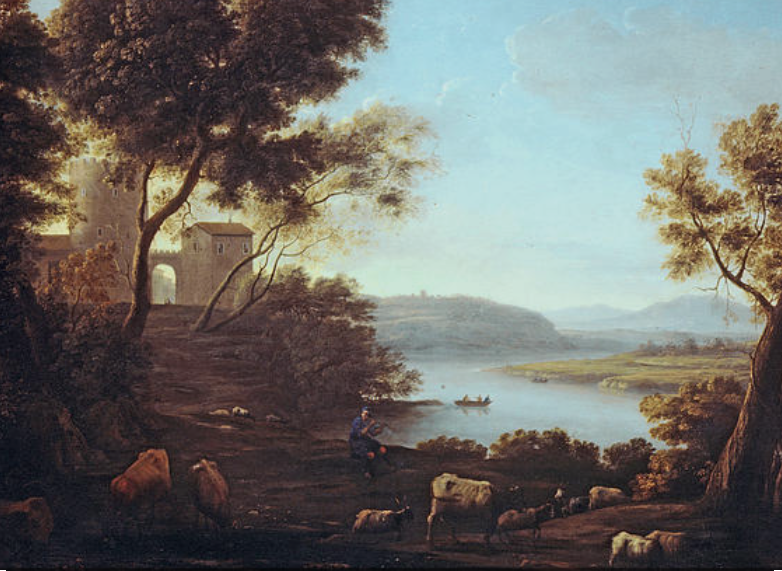
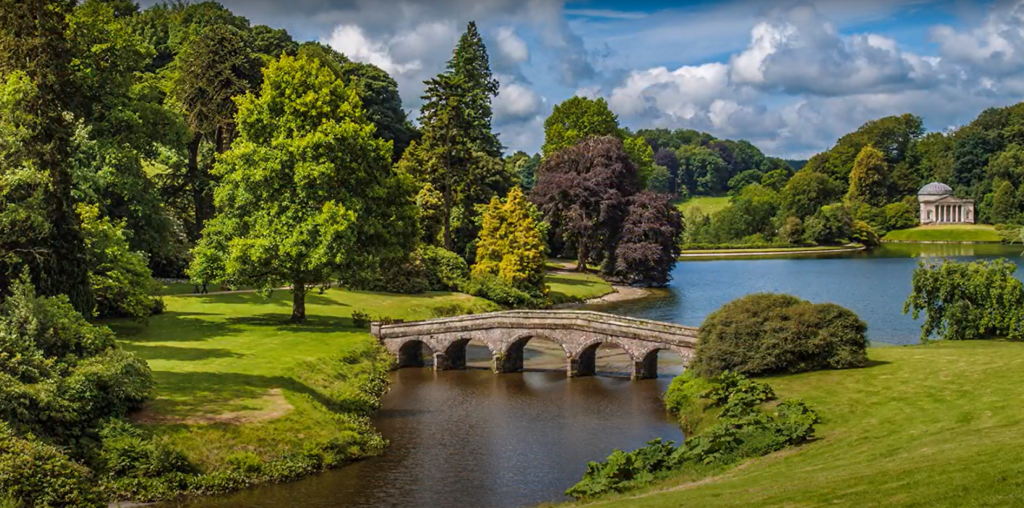
The Garden Influence: Capability Brown literally reshaped the English countryside to look like these paintings. He dug man-made lakes to look like natural rivers, planted clumps of trees to frame “views,” and used the “Ha-ha” (a sunken fence) to create a seamless visual transition from the garden to the wild pasture.
| Period | Philosophy | Key Design Feature |
| French Formal | Man’s dominance over nature. | Symmetry and Parterres. |
| English Landscape | Nature perfected by man. | The “Picturesque” rolling hill. |
3. The Arts & Crafts Movement: The Garden as a Room
In the late 19th century, the Industrial Revolution had turned cities into gray, mechanical hubs. In response, the Arts & Crafts Movement sought a return to handmade quality and the “honest” beauty of the cottage garden.
The Integration of House and Garden
For figures like William Morris, the garden wasn’t just a view from the window; it was an outdoor room. Morris’s own “Red House” featured gardens that were structured but overflowing with traditional English flowers.
Gertrude Jekyll and Edwin Lutyens
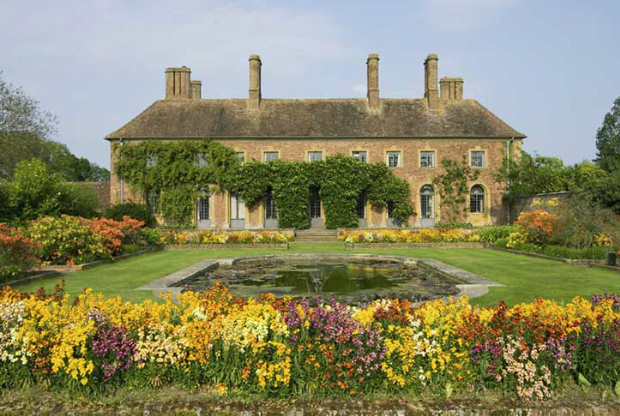
The most famous partnership in garden history was between the architect Edwin Lutyens and the painter-turned-horticulturalist Gertrude Jekyll.
The Art Influence: Jekyll was a trained painter who had to give up art due to failing eyesight. She applied Color Theory to the garden. Instead of the “carpet bedding” (rows of bright, clashing flowers) popular in Victorian times, she created “drifts” of color that transitioned subtly from one hue to the next, much like a watercolor wash.
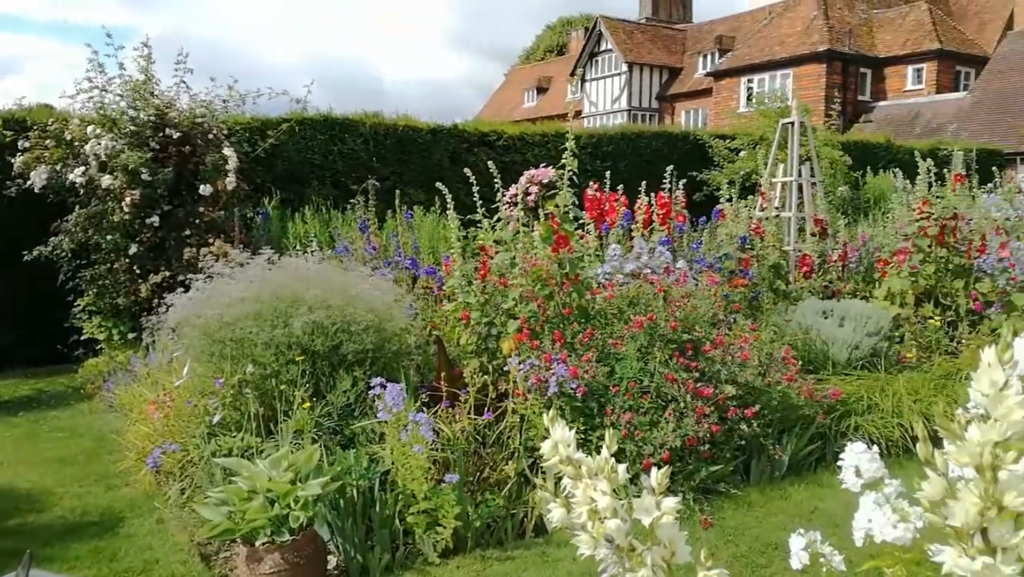
The Garden Influence: Her herbaceous borders at Munstead Wood changed gardening forever. She taught us that a garden should have “structure” (provided by Lutyens’ walls and paths) and “sentiment” (provided by her soft, impressionistic planting).
4. Impressionism: The Garden as the Protagonist
If the Enlightenment used art to design gardens, the Impressionists used gardens to redefine art. For Claude Monet and Édouard Manet, the garden was the ultimate laboratory for studying light, shadow, and movement.
Monet at Giverny
Claude Monet is the patron saint of the “artist-gardener.” He famously said, “My garden is my most beautiful masterpiece.” Monet didn’t just stumble upon a pretty scene; he built his garden at Giverny specifically to be painted.
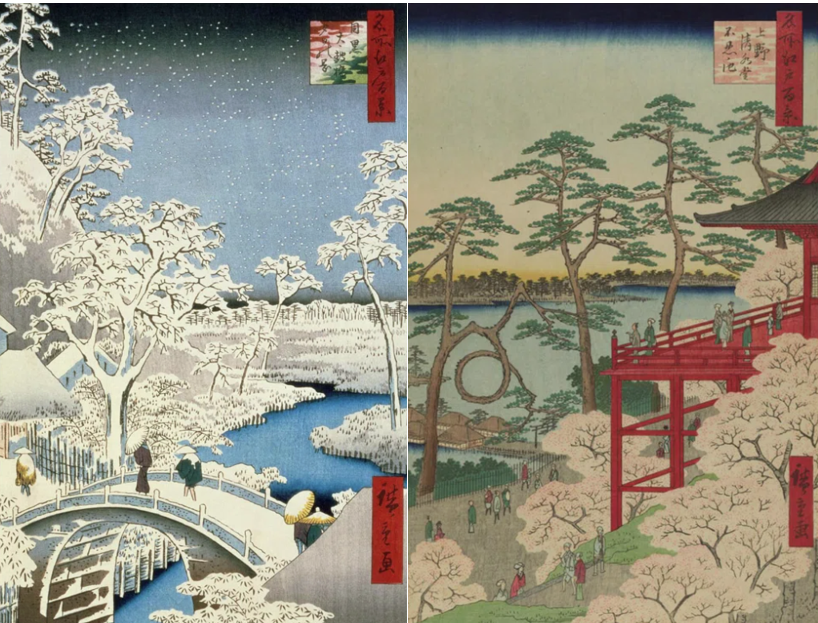
The Japanese Influence: Monet was obsessed with Japanese woodblock prints (Ukiyo-e). He diverted a stream to create his water garden and built the iconic Japanese bridge, planting wisteria and water lilies to create a world of reflections.
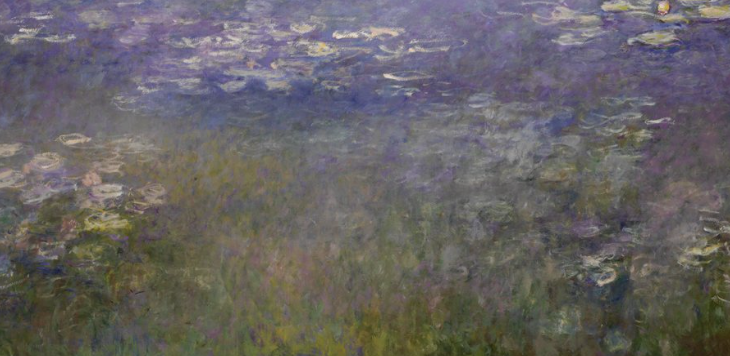
The Breaking of Form: In his later years, Monet’s paintings of his water lilies became increasingly abstract. The horizon line disappeared, leaving only the play of light on water. The garden allowed him to move away from “objects” and toward “atmosphere.”
Manet and the Social Garden
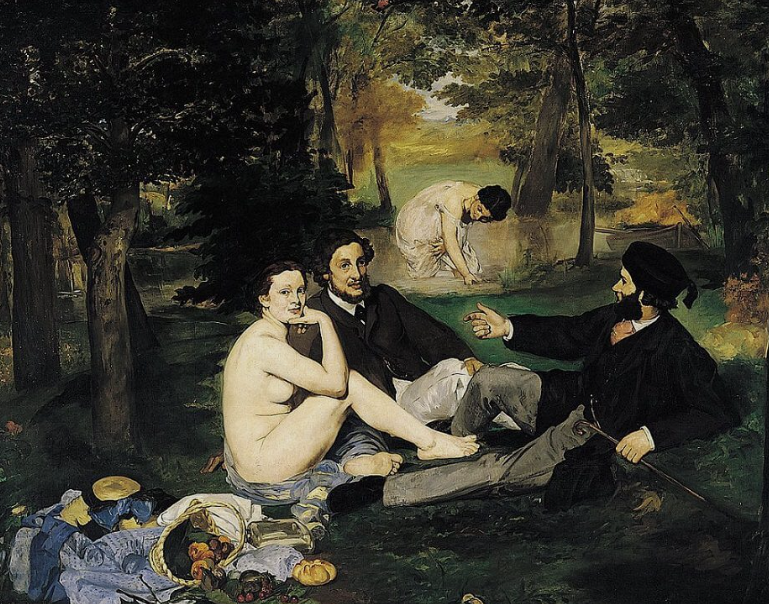
While Monet focused on the plants, Édouard Manet focused on the garden as a social stage. In paintings like Le Déjeuner sur l’herbe, the “garden” or park setting provides a scandalous, informal backdrop that challenged the stuffy conventions of the Paris Salon.
5. Modernism and Abstraction: The Garden Stripped Bare
As we entered the 20th century, the garden followed art into the realm of the abstract. The focus shifted from the “romantic” or “picturesque” to form, volume, and the use of industrial materials.
Roberto Burle Marx: The Canvas on the Ground
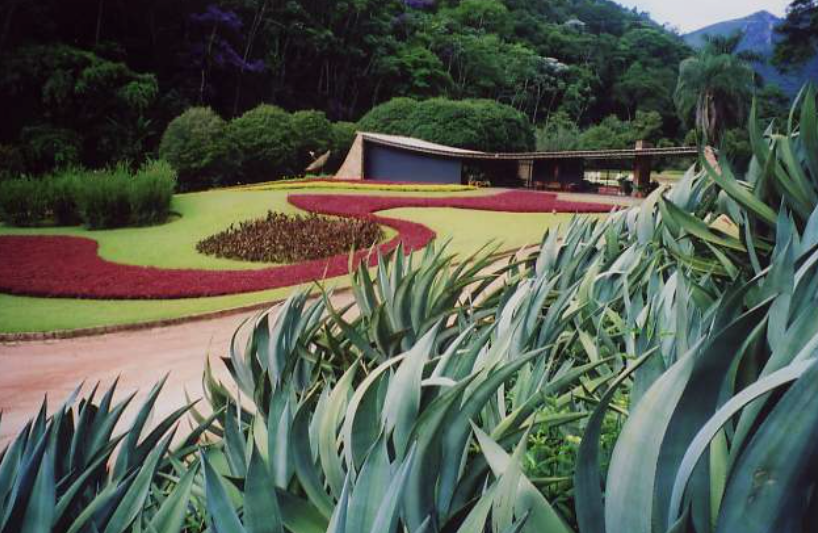
The Brazilian landscape architect Roberto Burle Marx was a literal painter who treated the earth like a giant abstract canvas. He rejected the traditional “English” garden in favor of bold, sweeping curves and native tropical plants.
The Art Influence: Burle Marx was heavily influenced by Cubism and the abstract works of Jean Arp. His garden plans, when viewed from above, look exactly like Mid-Century Modern abstract paintings.
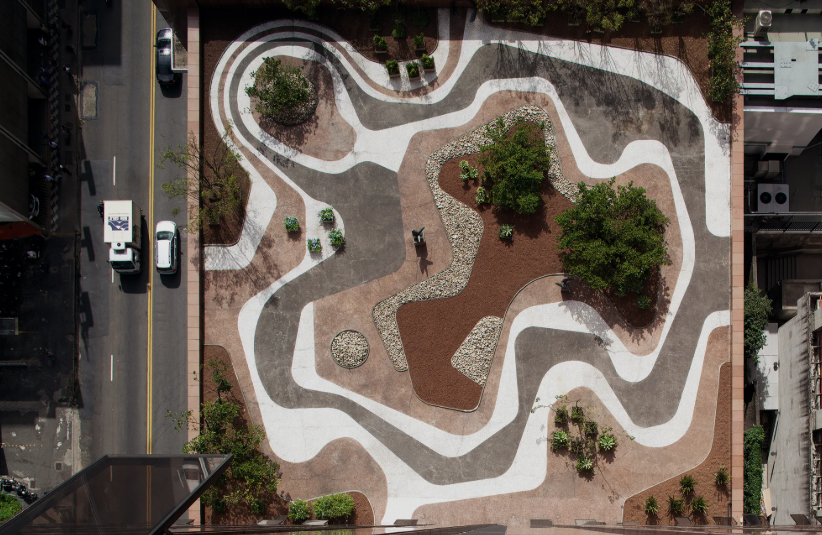
The Garden Influence: He used plants as “pigment.” Instead of mixing different flowers, he would plant a massive, solid block of one species to create a bold “stroke” of color or texture.
Minimalism and the New Perennial Movement
In the late 20th century, designers like Dan Kiley used the principles of Modernist architecture—grids, glass, and steel—to create gardens that were stark and powerful.
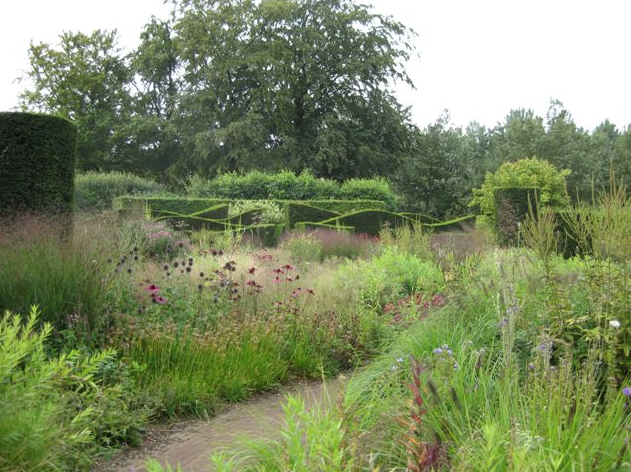
Today, we see the “New Perennial” movement, led by Piet Oudolf (the designer of the High Line in NYC). While his gardens look “natural,” they are actually deeply structured abstractions of a meadow. He focuses on the “skeleton” of the plant—its shape, seed head, and texture—rather than just the flower color. This mirrors the shift in Modern art from representation to the “essence” of the subject.
Conclusion: The Perpetual Dialogue
The relationship between Art and the Garden is a cycle of inspiration. The garden offers the artist a subject that is never the same two minutes in a row, while the artist offers the gardener a way to see the world beyond the merely functional.
Whether it is the rigid geometry of a French parterre or the wild, color-graded borders of a Jekyll-inspired garden, we are always trying to do the same thing: capture a moment of beauty in a medium that refuses to stand still.
As you plan your next flower bed or visit a local botanical garden, ask yourself: Is this a painting I am walking through? Or am I the one holding the brush?
Watch the Series
When we imagine the Garden of Eden, we picture wild, untouched beauty. But to a medieval mind, that would have looked like a nightmare. Welcome to Episode 1 of “The Garden is a Lie.” In this episode, we dismantle the myth of the “wild” paradise. We explore the world of the Hortus Conclusus—the enclosed garden—and discover why medieval art and architecture viewed nature as something that needed to be corrected, not celebrated. From the theological symbolism of lilies and roses to the rigid geometry of monastery courtyards, we’re looking at why “Paradise” was the one place where nature finally had to obey.
The English landscape garden is often described as a celebration of nature — a move away from rigid formality toward something more free, more natural, more real. But this idea hides something important. In the eighteenth century, garden designers didn’t abandon control. They perfected it. Rivers were redirected, hills reshaped, trees carefully positioned, and even ruins were built from scratch — all to create the appearance of untouched nature. In this episode of The Garden as Argument, we explore how the “natural” garden was carefully engineered, and how landscape design began to borrow directly from painting to create immersive, idealized worlds. What looks effortless is anything but. Because when we design a garden, we are not just arranging plants. We are shaping the way nature is seen. This video is part of The Garden as Argument: How Art Shaped the Way We See Nature — a series exploring how ideas from art and philosophy have shaped the landscapes we build.
By the mid-19th century, the world was changing at a terrifying pace. Industry was reshaping cities, mass production was replacing craftsmanship, and even gardens began to reflect this shift. But not everyone accepted it. In this episode of The Garden as Argument, we explore the Arts and Crafts movement — a reaction against industrialization that redefined the garden as a space of morality, craftsmanship, and human connection. Figures like William Morris rejected artificial displays and turned back to traditional materials, local design, and meaningful labor. Meanwhile, Gertrude Jekyll transformed planting into an art form, creating flowing, painterly borders that looked natural but were carefully controlled. These gardens appeared effortless — but they demanded intense work. And behind their beauty was a deeper idea: that gardening could restore something lost in the modern world. But was this really a return to nature? Or was it a carefully constructed ideal of the past? Because when we design a garden, we are not just arranging plants. We are giving form to the way we see nature. This video is part of The Garden as Argument: How Art Shaped the Way We See Nature — a series exploring how ideas from art and philosophy have shaped the landscapes we build.
For centuries, gardens followed art. Designers shaped landscapes to resemble paintings — carefully composing views, framing horizons, and arranging nature to be observed from a distance. But with Claude Monet, that relationship changed. At Monet’s Garden at Giverny, the garden was no longer inspired by painting — it became the source of it. The famous water lily pond was engineered, the planting carefully controlled, and every element designed to manipulate light, reflection, and color. This was not a natural landscape. It was a system for seeing. In this episode of The Garden as Argument, we explore how Monet transformed the garden into an optical experiment — and how this shift changed both painting and garden design forever. Because when we design a garden, we are not just arranging plants. We are giving form to the way we see nature. This video is part of The Garden as Argument: How Art Shaped the Way We See Nature — a series exploring how ideas from art and philosophy have shaped the landscapes we build.
For centuries, gardens tried to represent nature — to control it, imitate it, and shape how it was experienced. But in the twentieth century, something changed. Under the influence of modern art, nature itself began to dissolve into abstraction. Form replaced decoration. Structure replaced symbolism. And the garden followed. In this final episode of The Garden as Argument, we explore how designers like Roberto Burle Marx transformed the landscape into a bold, abstract canvas, how modernist designers like Dan Kiley applied architectural logic to planting, and how contemporary designers like Piet Oudolf reimagined nature as a carefully structured, living system. These gardens may look natural. But they are something else entirely. They are ideas, made visible. This episode brings the series full circle — from medieval order to modern abstraction — and asks a final question: Are we designing nature… or designing how it feels to experience it? Because when we design a garden, we are not just arranging plants. We are giving form to the way we see nature.