
Dog Friendly Garden Design
How to Stop Your Dog Destroying Your Yard (Without Compromise)
I love dogs. I love gardening.
But if you’ve ever tried to combine the two… you’ll know it’s not always a peaceful relationship.
From digging holes to trampling borders, our dogs can undo hours of careful work in minutes.
So the question is:
Can you have a beautiful garden and a dog-friendly space?
The answer is yes—but only if you design your garden with your dog in mind.
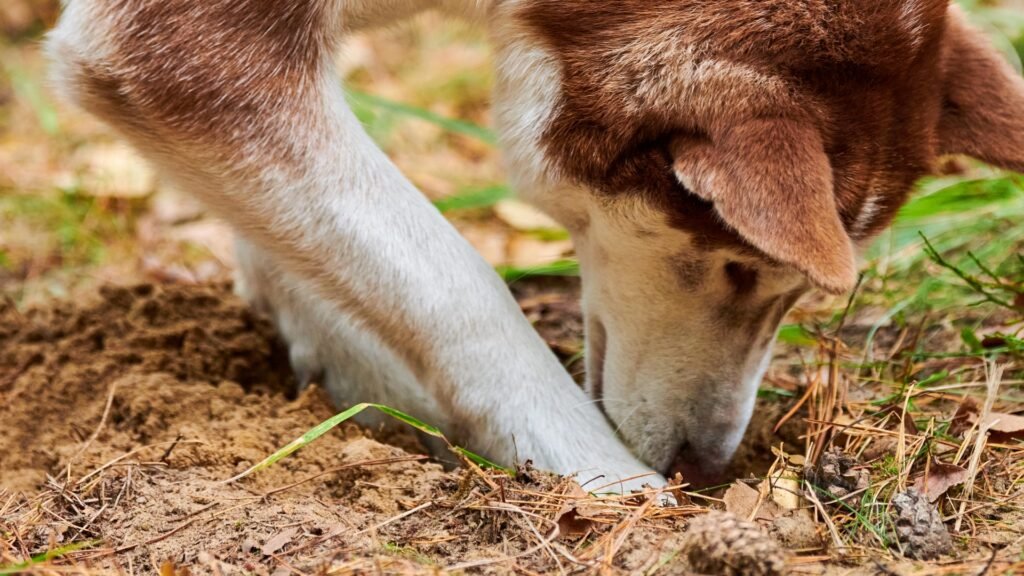
Inspiration
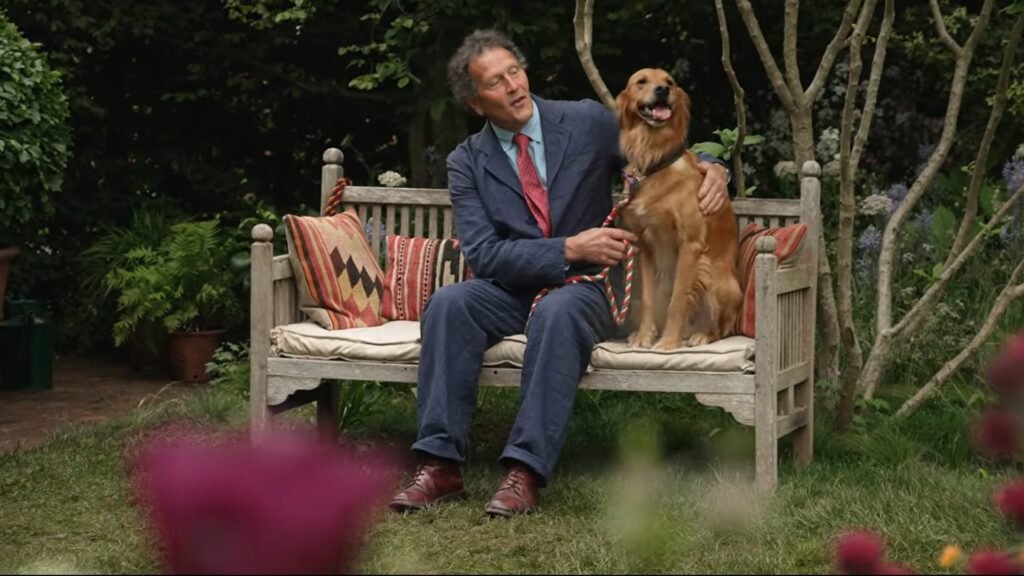
Recently, Monty Don explored this exact idea with a dog-friendly garden design for the Chelsea Flower Show.
His approach?
- Create clear pathways
- Include open space
- Choose durable planting
And that’s exactly what we’re going to build on here.
Start With Your Dog
Before you design anything, you need to understand one thing:
👉 Your dog’s personality
Every dog is different—but most fall into one (or more) of these three types:
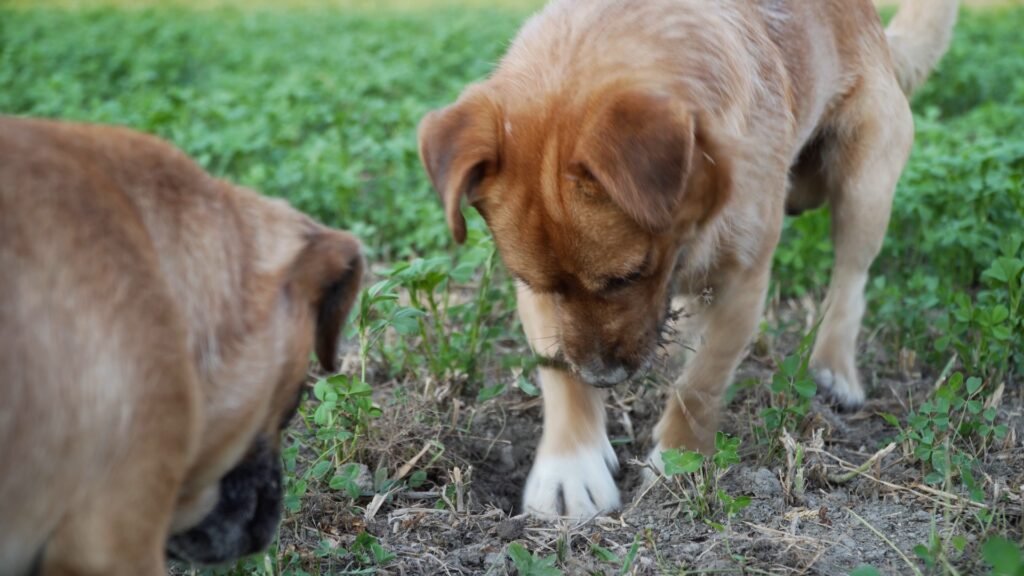
🐾 The Digger
- Loves to dig holes
- Buries toys
- Targets freshly planted areas
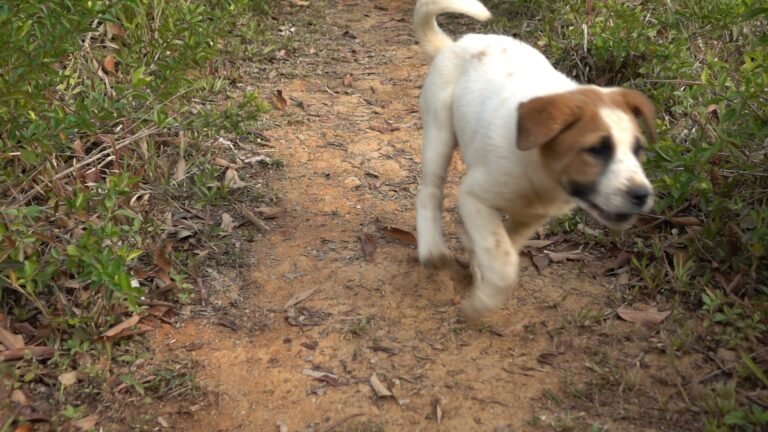
🐾 The Patroller
- Runs the perimeter
- Creates “tracks” through your garden
- Wears down lawn edges and borders
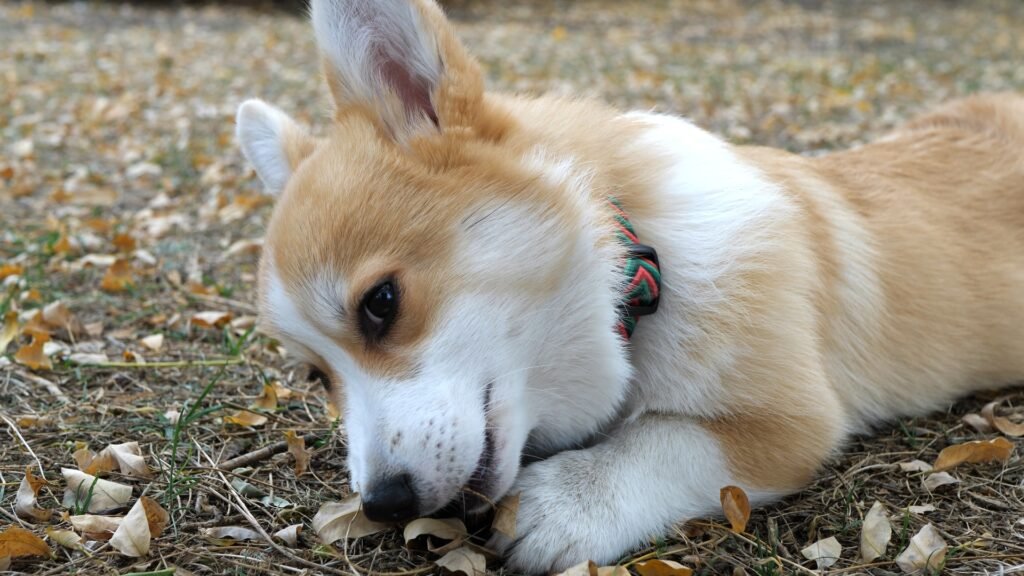
🐾 The Chewer
- Bites plants
- Damages stems and foliage
- Can be at risk from toxic plants
Design for Each Type
🌿 For Patrollers
If your dog patrols like mine (Franklin does this constantly), you need to work with the behavior—not against it.
What to do:
- Create dedicated pathways (about 18 inches wide)
- Use mulch or gravel paths
- Avoid planting directly in their route
- Use shrubs and borders to “hide” the path visually
Best plants:
- Boxwood
- Hicks yew
- Tough shrubs that can handle brushing
🌿 For Chewers
This one is serious.
👉 Some plants are toxic to dogs
Your priority:
- Remove or avoid toxic plants
- Choose safe alternatives
Important:
Always cross-check plants using the ASPCA toxic plant list.
🌿 For Diggers
Digging is instinctive—you won’t stop it completely.
So instead:
Option 1: Protect your garden
- Fence off key planting areas
- Use raised beds
Option 2: Redirect the behavior
- Create a designated digging zone
- Sandboxes work brilliantly
Pro tip:
Keep your dog inside while you’re digging—otherwise they’ll copy you!
Design Principles for a Dog Friendly Garden
🐕 Give Them Space
Dogs need:
- Room to run
- Space to relax
- Areas where they’re not constantly being corrected
💧 Provide Essentials
- Fresh water access
- A defined potty area (or training away from the garden)
🌳 Use Raised Beds
- Protect planting areas
- Reduce digging damage
- Help define movement zones
👃 Engage Their Senses
A great dog-friendly garden stimulates:
- Smell
- Sight
- Sound
- Touch
When your dog is mentally engaged, they’re far less likely to destroy your plants.
The Real Secret
A dog-friendly garden isn’t about control.
It’s about designing a space where your dog can be a dog… without ruining your garden.
When you get that balance right:
- Your dog is happier
- You’re less stressed
- And your garden actually thrives