
How to Grow a Dream Peony Garden (That Lasts for Generations)
Did you know peonies can live for over 100 years—and still bloom beautifully?
That’s part of what makes them so special. When you plant peonies, you’re not just gardening for today—you’re creating something that can last for generations.
In this guide, we’ll walk through everything you need to know to grow a thriving peony garden—from choosing the right types to planting, care, and long-term maintenance.
The Three Main Types of Peonies
Peonies fall into three primary categories, each with its own growth habit and personality:
1. Herbaceous Peonies
2. Tree Peonies
3. Intersectional (Itoh) Peonies

These are the classic garden peonies most people recognize.
- Soft green stems
- Die back completely each winter
- Often need staking due to large blooms
In our garden, we have herbaceous peonies that have been growing in the same spot for over 20 years. They’re incredibly long-lived—but when those big blooms open and a rainstorm hits, they tend to flop without support.
Tree peonies are a completely different experience.
- Woody structure (like a shrub)
- Can grow up to 7 feet tall
- Massive, dramatic blooms
- Do not need staking
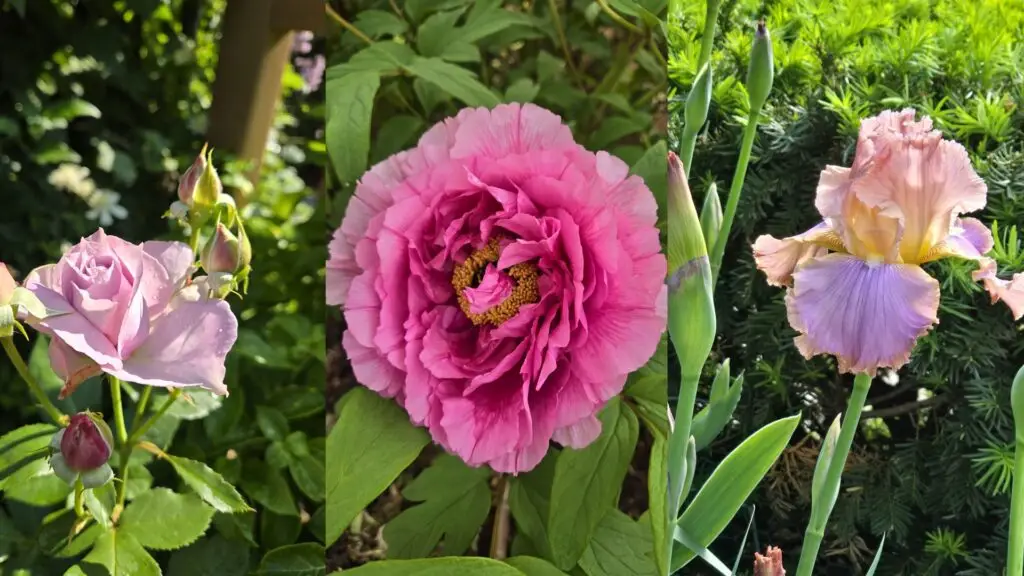
One of ours, ‘Ruffled Pink Petticoats,’ stops people in their tracks. When it first bloomed, people literally pulled over to ask if it was real.
Tree peonies grow slowly—about 1 to 6 inches per year—and can take up to 5 years to fully mature, but they’re absolutely worth the wait.
These are hybrids between herbaceous and tree peonies—and they combine the best of both.
- Strong stems (no staking needed)
- Die back in winter like herbaceous types
- Huge “dinner plate” blooms
- 50+ flowers on a mature plant
They typically grow about 2.5 feet tall, making them perfect for the front of a border.
One of their biggest advantages? A long bloom period—3 to 4 weeks, with new buds continuously opening.
Bloom Sequence: Extend Your Season
If you plant all three types, you can enjoy peony blooms throughout May:
- Tree peonies bloom first
- Then intersectional (Itoh) peonies
- Finally herbaceous peonies
This layering creates a continuous wave of color in your garden.
Where to Plant Peonies
Success starts with the right location.
Peonies prefer:
- Full sun (6+ hours daily)
- Well-drained soil
- Protection from strong winds (especially tree peonies)
Tree peonies, in particular, thrive in dappled sunlight, even though they can tolerate full sun.
How to Plant Peonies (Step-by-Step)
1. Soak the Roots
Soak bare roots in water for about 30 minutes before planting.
2. Position Correctly
Place the root so the “eyes” (pink buds) sit:
- ½ to 1 inch below soil level
Planting too deep is one of the biggest reasons peonies fail to bloom.
3. Backfill Gently
Fill in the soil and gently firm it around the roots—being careful not to damage the buds.
4. Water Thoroughly
Give them a good drink—but avoid overwatering.
⚠️ Especially important: Overwatering is the #1 cause of failure in tree peonies.
Seasonal Care Tips
Peonies are relatively low-maintenance, but a few simple practices make a huge difference.
Mulching
Apply a year-round mulch such as:
- Compost
- Leaf mold
- Shredded leaves
Benefits include:
- Moisture retention
- Temperature regulation
- Improved soil structure
- Weed suppression
For newly planted peonies, apply a 4–6 inch layer in winter to prevent frost heave.
Fall & Winter Care
- Herbaceous peonies: Cut back in fall
- Itoh peonies: Optional—can be cut down or left
- Tree peonies: Do not cut back
If you garden in colder zones (4–6), consider:
- Wind protection for tree peonies
- Extra mulch for insulation
Leaving plant material over winter also supports beneficial insects and pollinators.
Common Peony Problems (and How to Fix Them)
Peonies are tough—but not immune.
Powdery Mildew
- White coating on leaves (late summer)
- Not fatal
Treatment:
- Neem oil
- Or a natural spray: 30% milk / 70% water
Botrytis (Bud Rot)
- Black buds
- Wilting stems
- Common in cool, wet weather
Treatment:
- Remove infected parts immediately
- Disinfect tools between cuts
- Do not compost infected material
Peony Blotch
- Weakens plants over time
Treatment:
- Prune affected areas
- Clean up debris
- Apply a labeled fungicide
Watch the Video
Unlock the secrets to creating your dream peony garden with our comprehensive guide! Learn essential tips for growing stunning peonies, covering everything from selecting the right varieties – including herbaceous, tree, and Itoh (intersectional) peonies – to mastering planting techniques for optimal root depth and location.
Discover crucial peony care strategies for year-round health, including proper watering, fertilizing, mulching, and pruning, plus expert advice on identifying and treating common peony diseases like powdery mildew, botrytis, and peony blotch. Whether you’re a beginner or experienced gardener, this video provides the knowledge you need to cultivate beautiful, fragrant peony blooms that can thrive for generations.
A Few Final Thoughts
Peonies are one of the most rewarding plants you can grow.
They’re:
- Long-lived
- Low-maintenance
- Incredibly beautiful
- Often fragrant
And once established, they’ll return year after year—getting better with time.
With the right selection, proper planting, and a little seasonal care, you can create a peony garden that truly becomes a legacy.
Get the Free Guide
Free Garden Resource Library
Get instant access to all of our guides.
Thank you!
Check your email in a moment for your Garden Resource Library access.