A Comprehensive Guide to Hydrangeas: Types, Colors, and Care
Hydrangeas are among the most beloved garden shrubs in American landscapes—and for good reason. With their dramatic blooms, long flowering season, and wide range of forms, they can transform almost any garden space into something special.
There are over 75 species of hydrangea worldwide, but six main types dominate American gardens: bigleaf, smooth, panicle, oakleaf, climbing, and mountain. Each has its own personality—and understanding those differences is the key to growing them successfully.
The Six Main Types of Hydrangeas
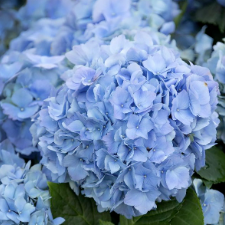
1. Bigleaf Hydrangea (Hydrangea macrophylla)
This is the classic hydrangea most people recognize. It includes both mophead and lacecap varieties, known for their large, rounded blooms.
- Bloom color often changes based on soil pH
- Prefers partial shade
- Can bloom on old wood, new wood, or both (depending on variety)
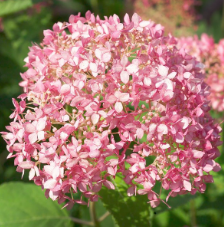
2. Smooth Hydrangea (Hydrangea arborescens)
A standout example is the famous ‘Annabelle,’ known for its large, globe-shaped white blooms.
- Blooms on new wood, making it very forgiving to prune
- Can be cut back hard (even to the ground) each year
- Thrives in colder climates
This makes it one of the easiest hydrangeas to grow and maintain.
3. Panicle Hydrangea (Hydrangea paniculata)
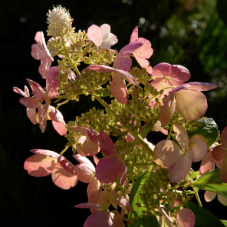
Recognizable by its cone-shaped flowers, panicle hydrangeas are incredibly versatile.
- Blooms start white and often age to pink or red
- Very hardy and sun-tolerant
- Blooms on new wood
Varieties like Quick Fire and Little Quick Fire are especially popular for their early blooms and changing color display.
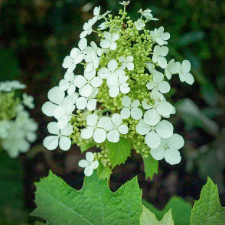
4. Oakleaf Hydrangea (Hydrangea quercifolia)
Named for its oak-shaped leaves, this native species offers year-round interest.
- Cone-shaped blooms
- Stunning fall foliage in shades of red and burgundy
- Peeling bark adds winter texture
5. Climbing Hydrangea (Hydrangea anomala subsp. petiolaris)
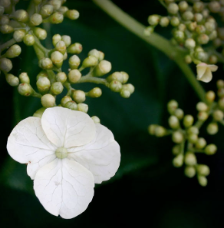
A completely different growth habit sets this hydrangea apart.
- A woody vine that clings using aerial roots
- Slow to establish, then grows vigorously
- Produces delicate white lacecap flowers
6. Mountain Hydrangea (Hydrangea serrata)
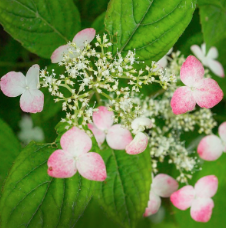
Similar to bigleaf hydrangeas but generally more cold-hardy and compact.
- Lacecap-style blooms
- Excellent for smaller gardens
- Good resilience in colder regions
A Brief History of Hydrangeas
Hydrangeas were first cultivated in Japan and later introduced to Europe around 1736. Since then, they’ve become a staple in gardens across the world—especially in temperate climates like the Midwest.
The Science Behind Hydrangea Blooms
Interestingly, hydrangeas don’t have true petals. The showy parts of the flower are actually sepals—modified leaves that protect the flower bud.
These sepals can absorb water, which is why misting your hydrangeas can help keep them hydrated during hot weather.
How Soil pH Affects Hydrangea Color
One of the most fascinating traits of hydrangeas is their ability to change color based on soil chemistry.
- Blue flowers: pH below 5.5
- Purple flowers: pH 5.5–6.5
- Pink flowers: pH above 7
- White flowers: typically unaffected by pH
By adjusting your soil pH, you can actually influence bloom color—something unique in the plant world.
The Meaning Behind Hydrangea Colors
Hydrangeas carry symbolic meanings that vary by color:
- Blue: gratitude and apology
- Purple: pride, royalty, understanding
- White: purity, grace (and sometimes vanity)
- Pink: romance and sincere emotion
Care Tips for Healthy Hydrangeas
While each type has slightly different needs, some general care principles apply:
- Watering: Hydrangeas love moisture (their name comes from Greek words meaning “water vessel”)
- Soil: Rich, well-drained soil is ideal
- Sunlight: Most prefer morning sun and afternoon shade
- Pruning: Know whether your variety blooms on old wood or new wood before cutting
A Note on Safety
Hydrangeas contain small amounts of cyanogenic compounds. While not typically dangerous in casual contact, ingestion can cause illness in humans and pets—so it’s best to keep them out of reach.
Seasonal Garden Companions
As hydrangeas come into bloom, they often share the stage with other summer favorites like:
- Phlox
- Daylilies
- Coneflowers
- Shasta daisies
Together, they create a layered, ever-changing display throughout the growing season.
Watch the Video
Discover why hydrangeas are one of the most versatile and beloved plants in the garden in this in-depth video!
From bigleaf and panicle to climbing and smooth varieties like Annabelle and Quick Fire, we explore the unique traits, soil needs, and bloom habits of six major hydrangea types.
Learn how soil pH affects hydrangea color, how to properly prune and care for climbing hydrangeas, and why these stunning plants are more than just pretty flowers—with fascinating facts about their history, symbolism, and biology. Perfect for gardeners of all levels, this video is packed with practical tips and botanical insight to help you grow your best hydrangeas yet.
Final Thoughts
Hydrangeas offer something for every garden—whether you want bold structure, soft romance, or a climbing focal point. Once you understand their types and needs, they become one of the most rewarding plants you can grow.
And like many great garden plants, they don’t just fill space—they tell a story, evolving through the seasons and surprising you year after year.
Get the Free Guide
Free Garden Resource Library
Get instant access to all of our guides.
Thank you!
Check your email in a moment for your Garden Resource Library access.