The DNA of the English Garden: Uncovering the Hidden Codes of Landscape
English gardens often present themselves as timeless, serene, and almost accidental—as if a collection of roses and oaks simply decided to assemble in a perfect, picturesque arrangement. But beneath the soft moss and the curving paths lies a complex, invisible code.
In this exploration, we aren’t just looking at history; we are performing a genetic sequence on the English landscape. Every garden, from the rigid geometry of the Tudors to the sprawling rewilded estates of today, is built from the same recurring strands of DNA: Illusion, Power, Emotion, Structure, and Stewardship. To understand the English garden is to understand the deeper forces that have shaped how we see nature, ourselves, and our place in the world.
I. The DNA of Plants: Empire, Obsession, and the Global Root System
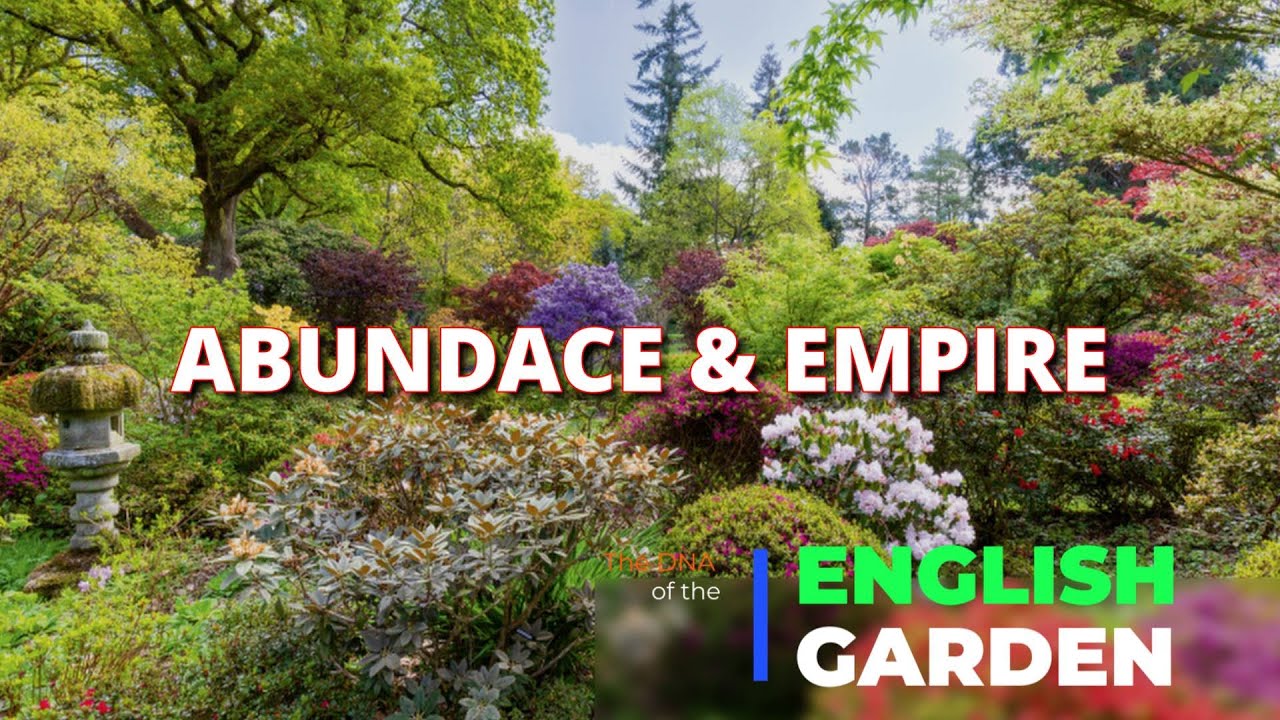
When we look at a “traditional” English border, we are actually looking at a botanical map of the world. The quintessentially English rose? Much of its modern DNA comes from China. The towering rhododendrons? Himalayan imports. The magnolia? North American.
The first strand of our DNA is one of movement and desire. Before plants were arranged for beauty, they were gathered as trophies of curiosity and symbols of global reach.
The Garden as Museum
In the 16th and 17th centuries, a garden was less a place of relaxation and more a “cabinet of curiosities.” Wealthy landowners and scholars assembled Hortus Siccus (dried gardens) and living collections that functioned like museums. In this era, the stranger the plant, the higher its value. A rare tulip or a strange succulent from the “New World” wasn’t valued for how it fit into a landscape, but for its novelty. Owning these plants signaled wealth, education, and—crucially—access to the furthest reaches of the globe.
The Age of the Plant Hunters
By the 18th and 19th centuries, this curiosity turned into a professionalized obsession. This was the era of the Plant Hunters—individuals who risked life and limb to bring back the “green gold” of the East and the Americas.
Case Study: Robert Fortune and the Great Tea Robbery
Few stories illustrate the “DNA of Power” better than that of Robert Fortune. In the mid-19th century, Fortune was sent by the East India Company to China. At the time, China held a strict monopoly on tea. Fortune, disguised as a local merchant, smuggled thousands of tea plants and seeds out of the country. This act of botanical espionage didn’t just change gardens; it shifted the economic axis of the world, leading to the establishment of tea plantations in India and breaking the Chinese monopoly.
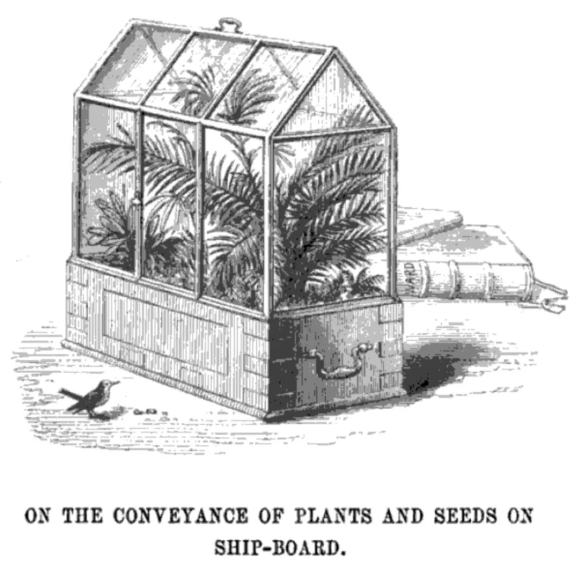
The invention of the Wardian Case—a portable glazed greenhouse—was the technological breakthrough that allowed these plants to survive the salty air and long voyages across the oceans. Suddenly, the “DNA” of the world could be transported and replanted in the damp soil of Surrey or Kent.
The Legacy of the Exotic
Over time, these “foreign” plants became naturalized. We see a rhododendron-filled woodland today and think of it as “classic British,” forgetting the colonial networks that brought it here. This diversity is beautiful, but it carries a weight. Modern gardening is now reckoning with this inheritance—asking which plants belong, which have become invasive, and what our responsibility is to the local ecosystems these global travelers now inhabit.
II. The DNA of Control: Power and the Performance of Order
If the first strand of DNA is about where the plants come from, the second is about how we force them to behave. Control is perhaps the most honest strand in the English garden’s history. For centuries, a garden was never meant to feel “free.” It was a declaration of hierarchy.
The Monastic Foundation
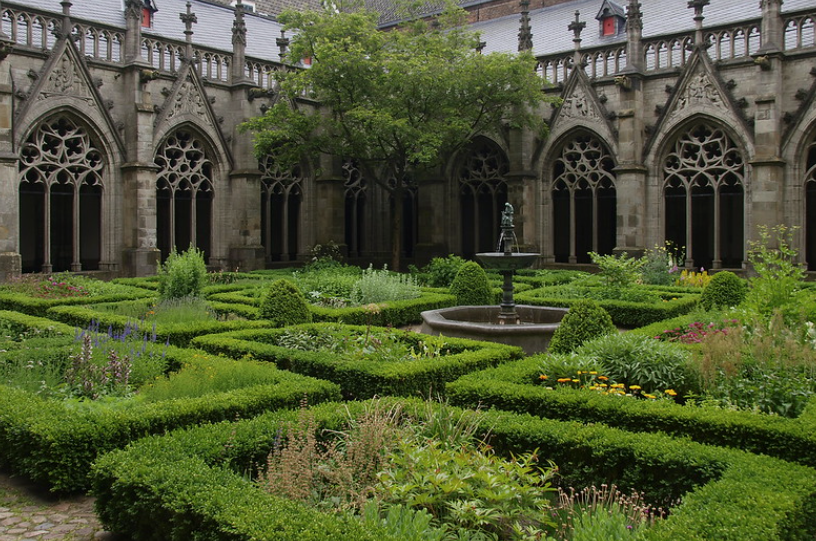
The roots of control go back to the monasteries. These were functional, disciplined spaces. A garden was divided into strict compartments:
The Cloister: For spiritual contemplation.
The Physic Garden: For medicinal herbs.
The Kitchen Garden: For survival.
Here, nature was organized in service of God. Every herb was a testament to divine order, and the straight paths reinforced a life of restraint and obedience.
The Tudor Theatre of Power
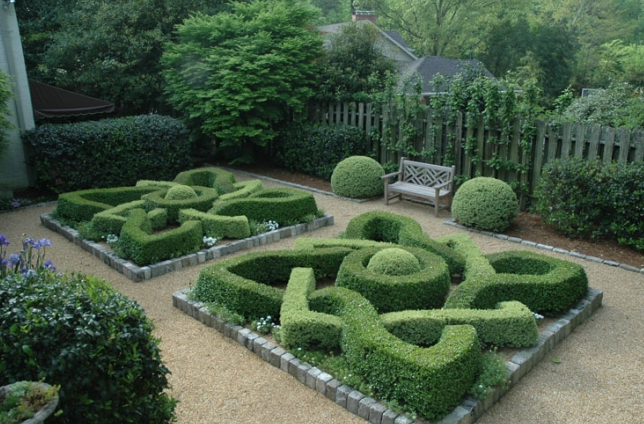
After the chaos of the Wars of the Roses, the Tudor dynasty used gardens to project a new, unshakable stability. The Knot Garden was the ultimate expression of this. These were intricate, geometric patterns of clipped hedging—often box or rosemary—designed to be viewed from the high windows of the manor house.
From above, the patterns looked like embroidery. It was a visual reminder that the monarch held the “perspective.” If you could control the very growth of the earth into perfect right angles, you could surely control a kingdom.
The French Influence and the Infinite View
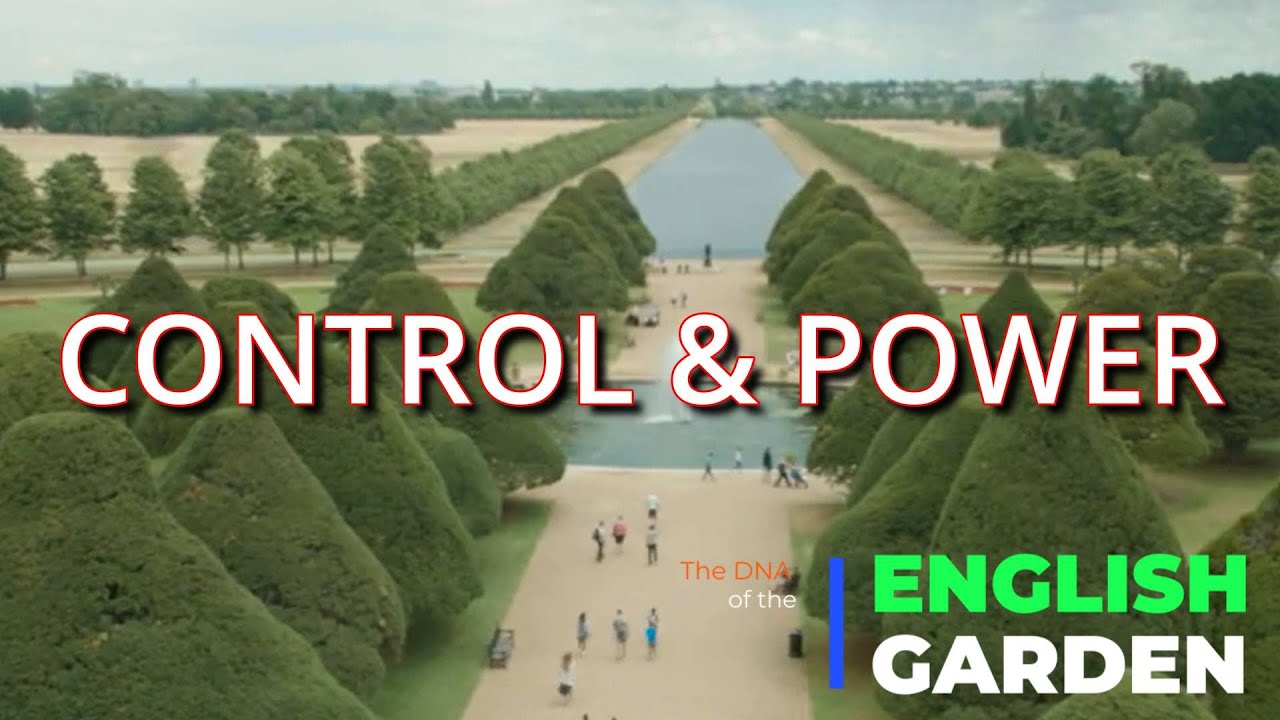
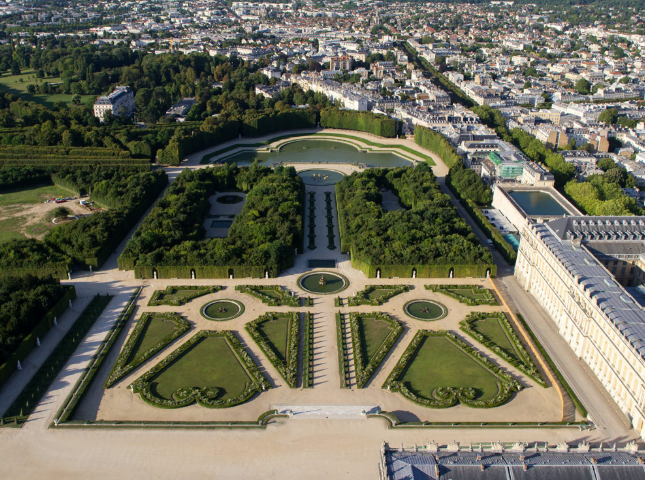
In the 17th century, English elites looked toward France and the work of André Le Nôtre at Versailles. These gardens represented absolute authority. Massive avenues (alleys) stretched to the horizon, signaling that the King’s power was infinite. Trees were forced into cones, spheres, and cubes. Nature was flattened and commanded.
In England, this manifested as the formal “Dutch” or “French” style. It was a stage for social performance. You walked where you were told; you looked where the axis pointed. The garden was an extension of governance.
III. The DNA of Illusion: The Art of Hiding the Hand
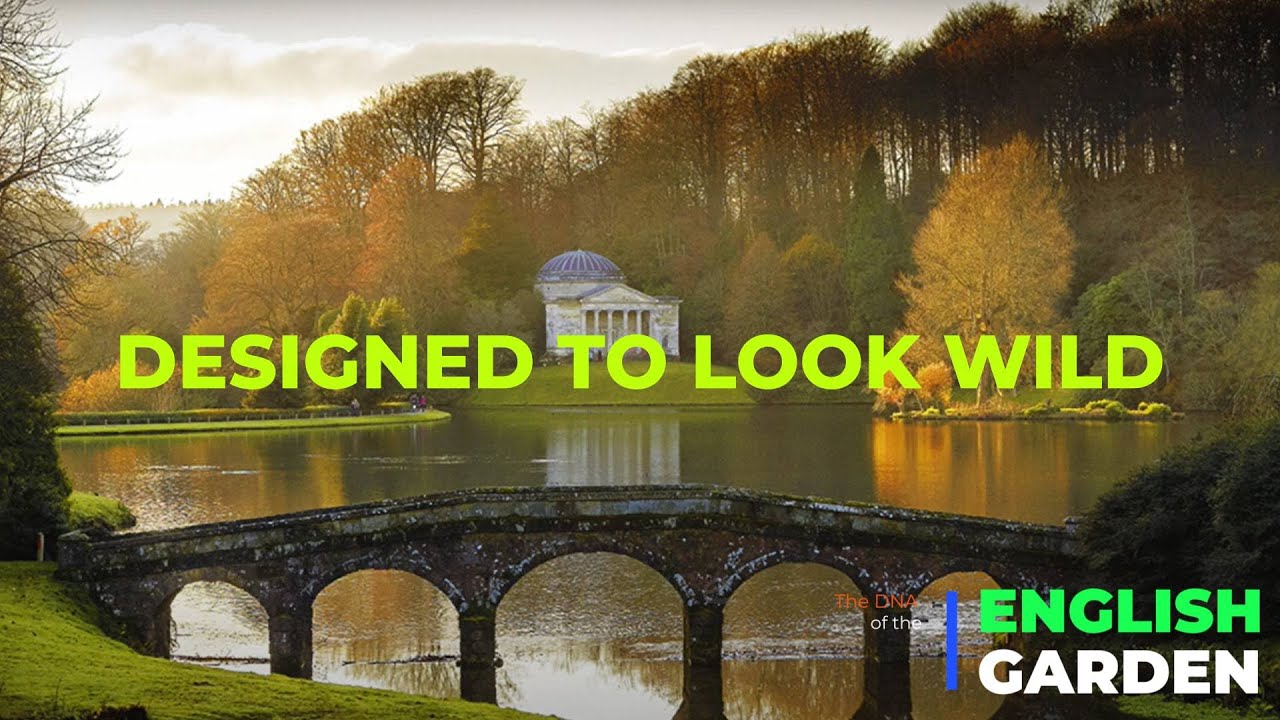
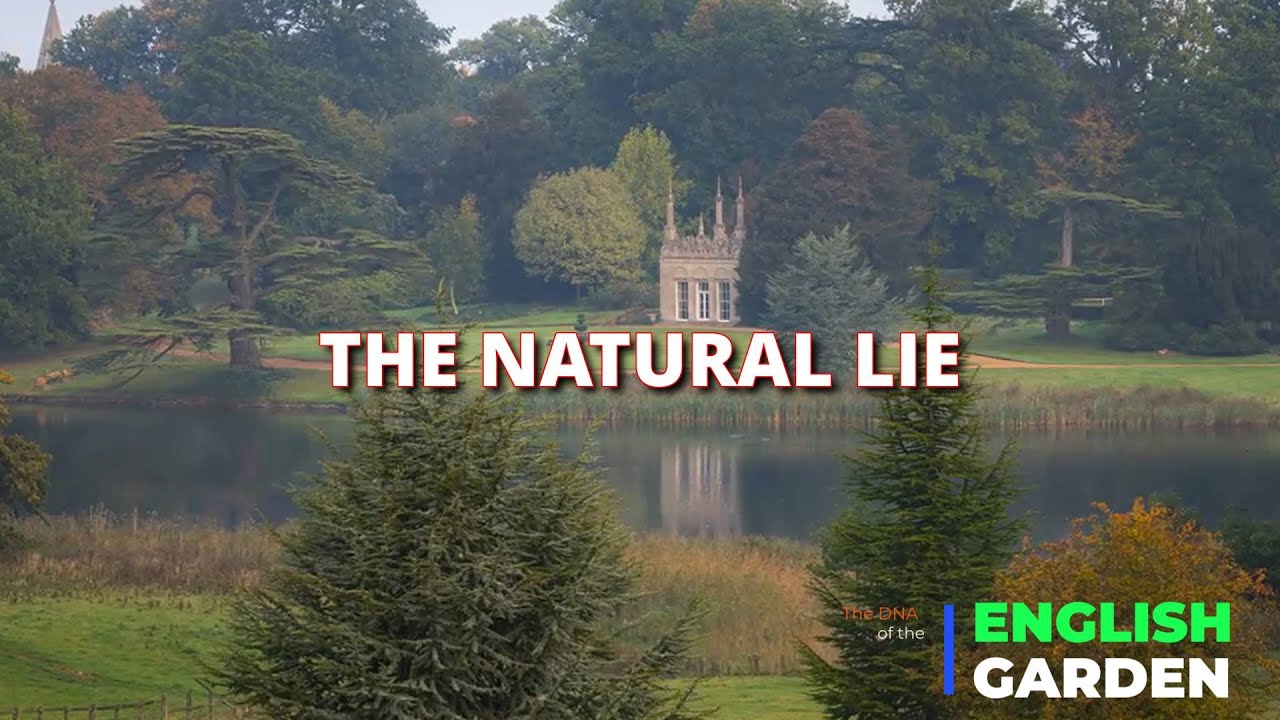
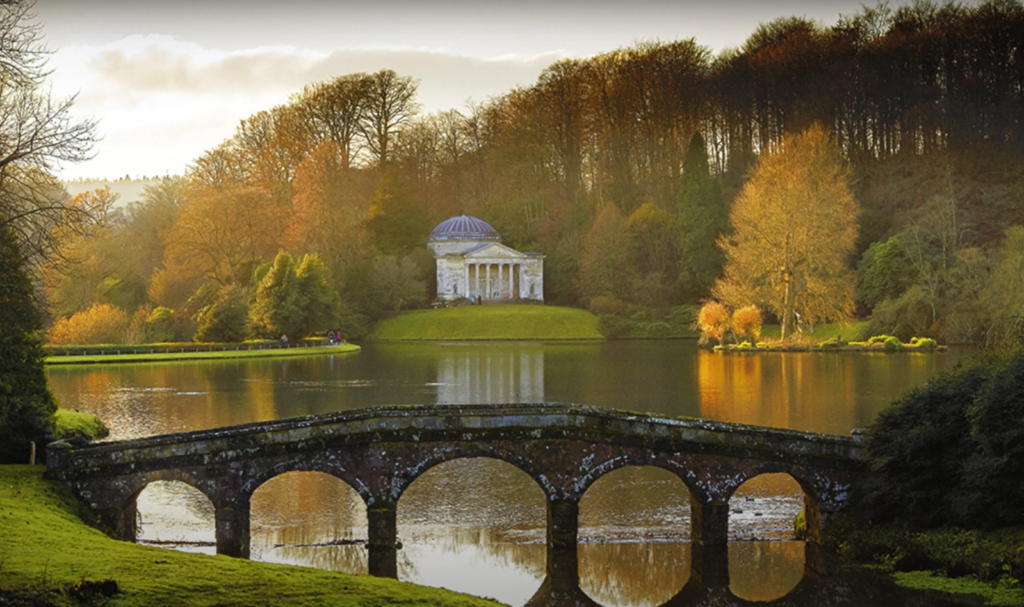
In the 18th century, a radical shift occurred. The straight lines were erased, the walls were torn down, and the “English Landscape Movement” was born. However, this was not a return to nature—it was the birth of The Great Illusion.
Painting the Landscape
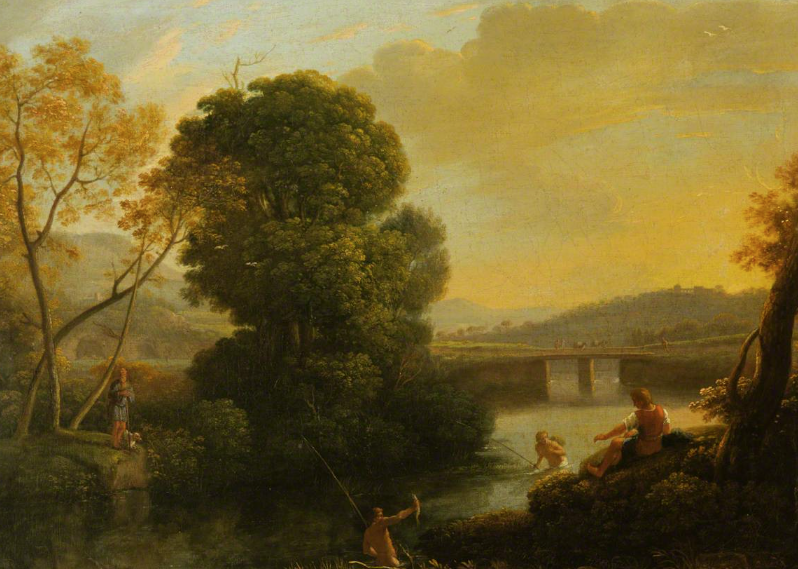
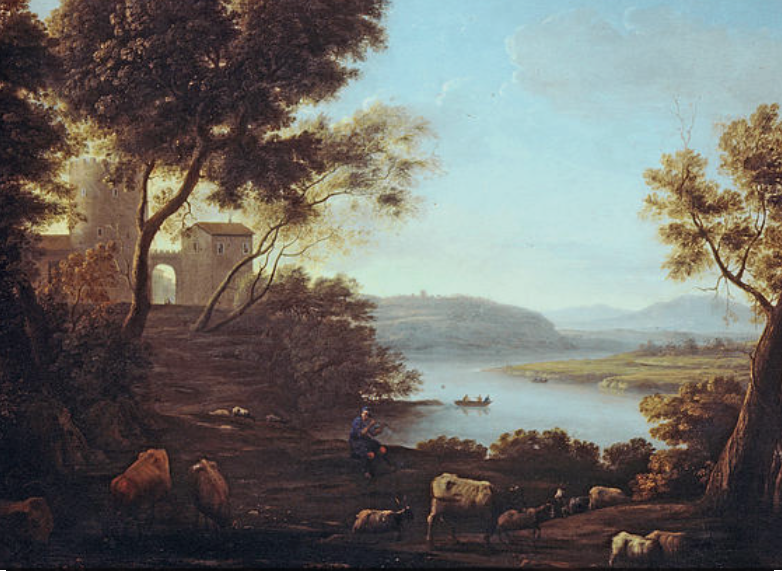
Landowners began to tire of rigid geometry. Influenced by the landscape paintings of Claude Lorrain and Nicolas Poussin, they wanted their estates to look like idealized versions of the Roman countryside. They wanted “natural” beauty, but a very specific, curated version of it.
Lancelot “Capability” Brown
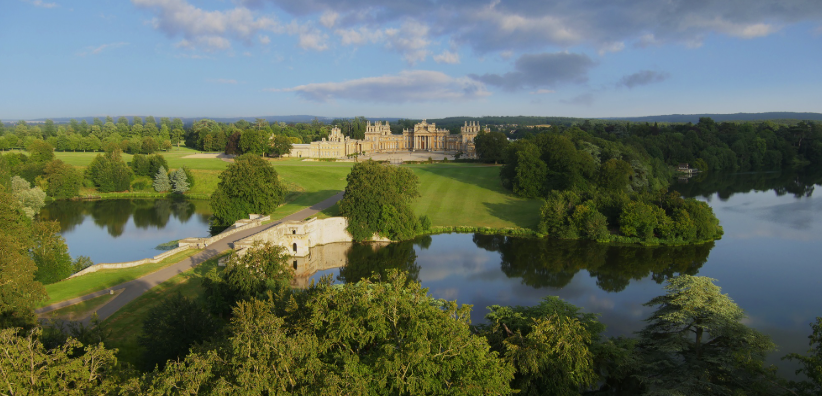
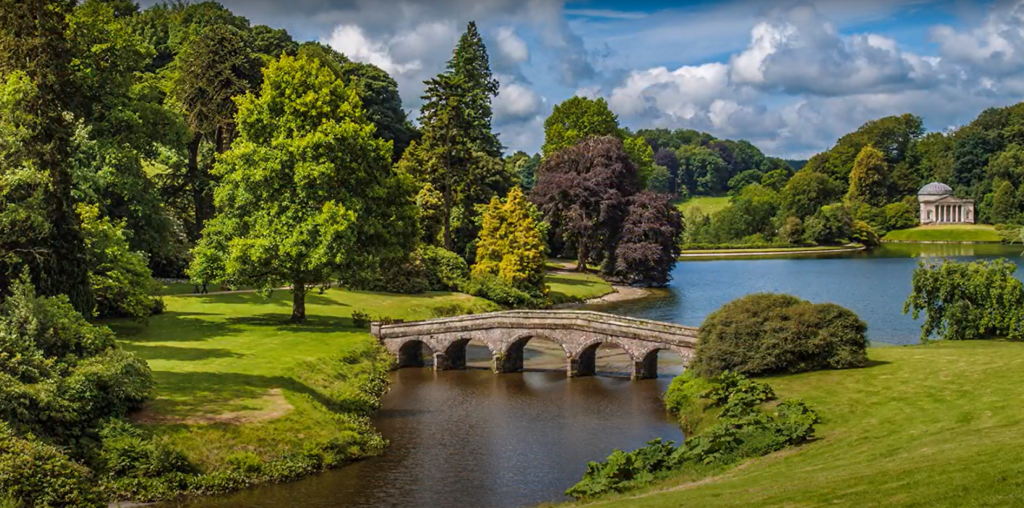
The man who redefined the English DNA more than any other was Lancelot ‘Capability’ Brown. He didn’t see a garden; he saw a landscape’s “capabilities” for improvement.
Brown’s signature moves were breathtakingly ambitious:
The Serpentine Lake: He would dam small streams to create massive, winding lakes that looked like ancient rivers.
The Clump: Groups of trees were planted to frame specific views.
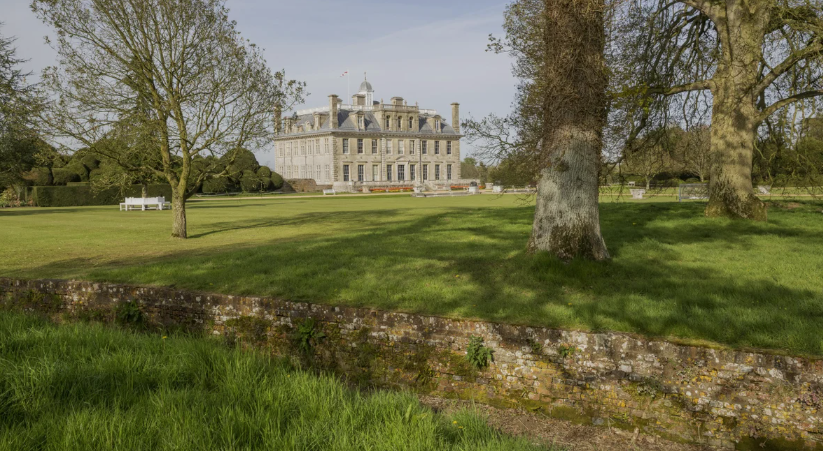
The Sweeping Lawn: Grass was brought right up to the front door of the house, erasing the “work” of the garden.
The paradox? To make a landscape look “untouched,” Brown moved mountains. He erased entire villages that ruined the view, relocated thousands of tons of earth, and destroyed centuries-old formal gardens. It was a massive engineering project designed to look like nothing had been done at all.
The Ha-Ha: The Invisible Border
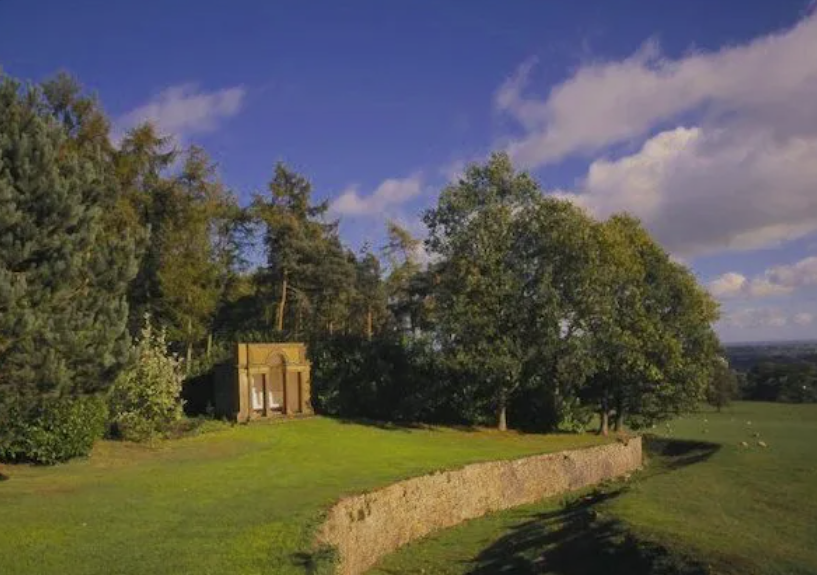
The most ingenious tool of this era was the Ha-ha. It was a sunken ditch that acted as a fence. From the house, you couldn’t see it, so the manicured lawn appeared to merge seamlessly with the distant pasture where sheep grazed.
The Ha-ha was a physical manifestation of the illusion of freedom. It allowed the landowner to feel “at one” with nature while maintaining a literal and social barrier between the “civilized” house and the “wild” livestock. It was power that learned to whisper instead of shout.
IV. The DNA of Feeling: The Intimate Turn
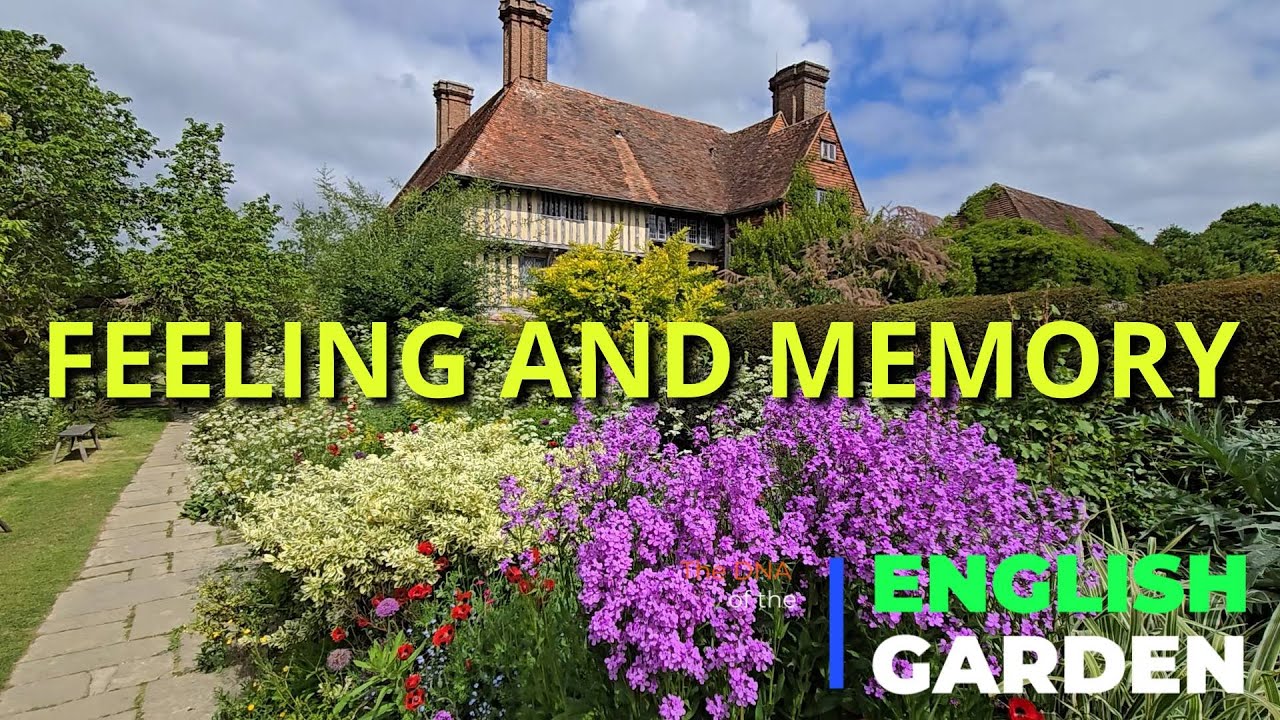
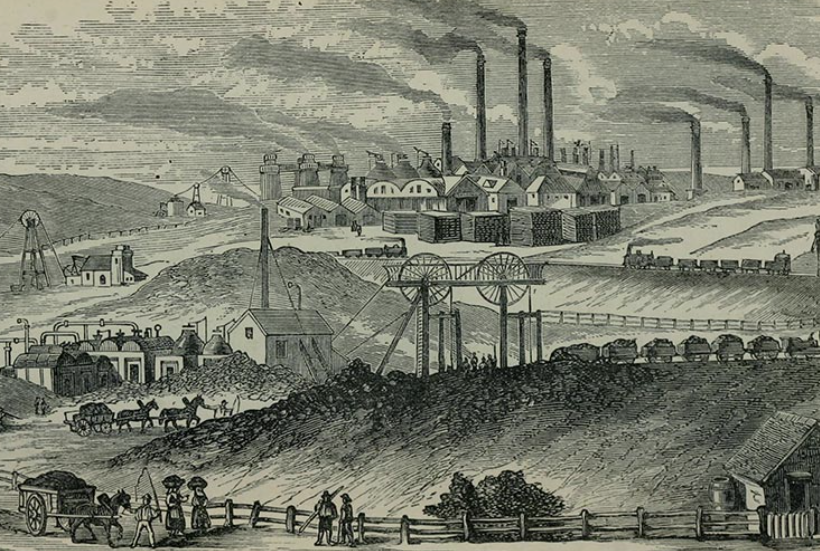
As the Industrial Revolution turned the world into a landscape of soot, iron, and noise, the English garden shifted once again. It moved from the “Grand Illusion” of the 18th century to the DNA of Feeling. The garden became a refuge—a place of intimacy, memory, and color.
The Romanticized Cottage
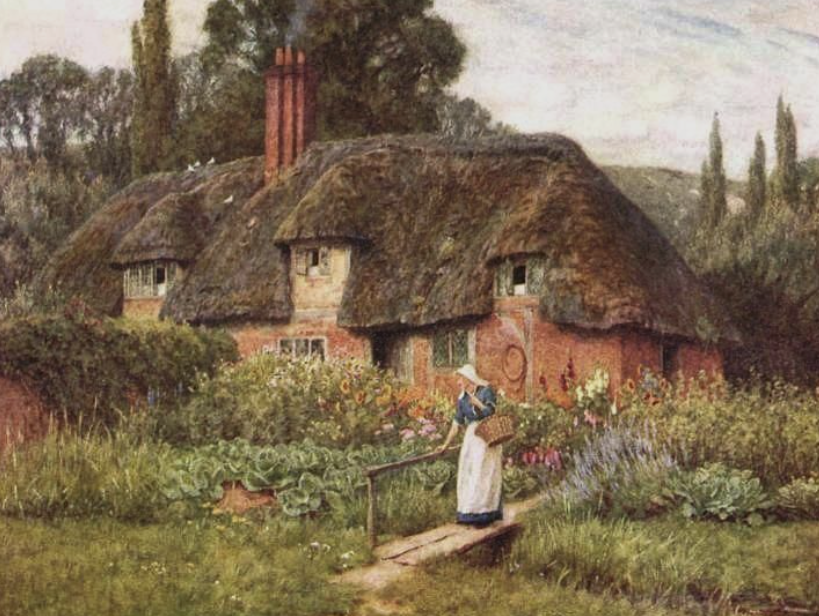
The “Cottage Garden” style we love today actually began as a romanticized version of peasant necessity. In actual rural cottages, plants were crammed together because space was at a premium. Kale grew next to roses; herbs brushed against fruit trees.
To the Victorian city dweller, this “messiness” represented a lost, authentic England. The garden became a container for nostalgia.
Gertrude Jekyll and the Art of the Border
If Capability Brown was the engineer of the English garden, Gertrude Jekyll was its painter. Trained as an artist, Jekyll brought color theory to the garden. She moved away from the “bedding out” style (where thousands of identical flowers were planted in rigid rows) and toward the Herbaceous Border.
Jekyll’s DNA strands included:
Drifts: Planting in long, flowing groups rather than blocks.
Color Gradations: Moving from “cool” blues and whites to “hot” oranges and reds to guide the viewer’s mood.
Texture: Using the silver of lavender or the softness of lamb’s ear to create a tactile experience.
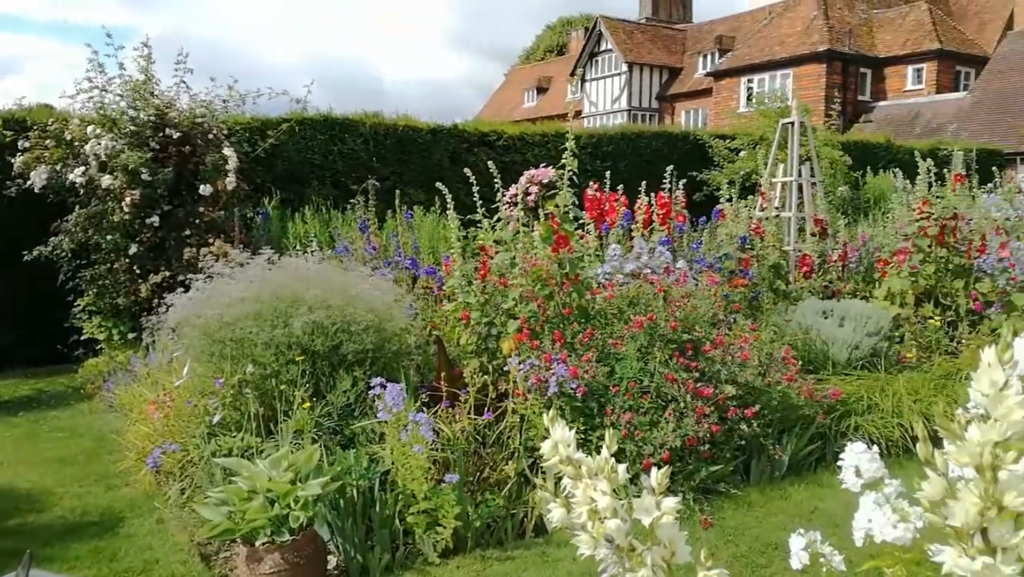
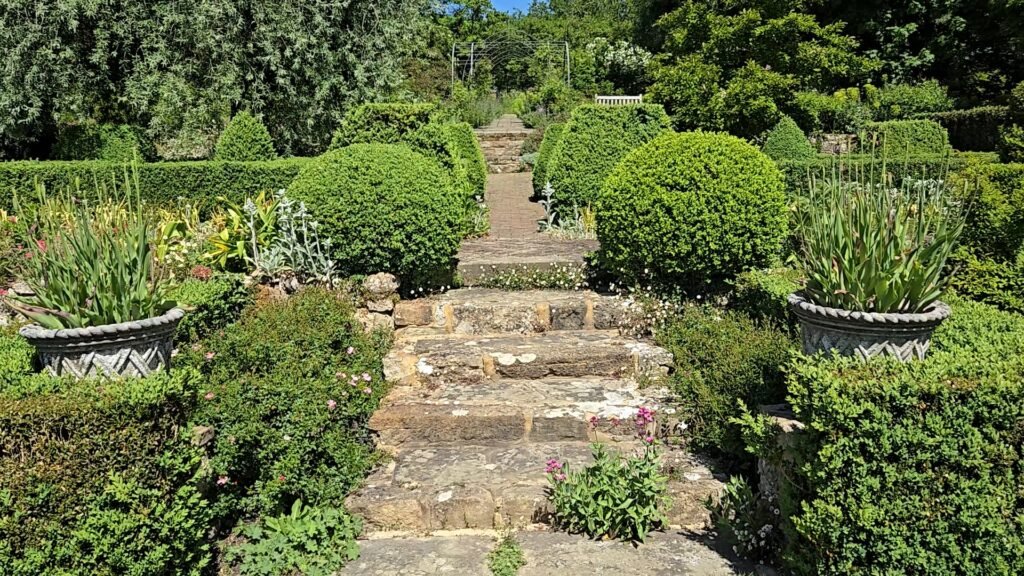
Working with the architect Edwin Lutyens, Jekyll perfected the balance between Structure and Emotion. Lutyens provided the “bones”—the stone walls and steps—while Jekyll provided the “flesh”—the billowing, romantic plants. This combination remains the gold standard for English garden design. It is the moment the garden began to speak to the individual soul rather than the public guest.
V. The DNA of Responsibility: The New Ethical Landscape
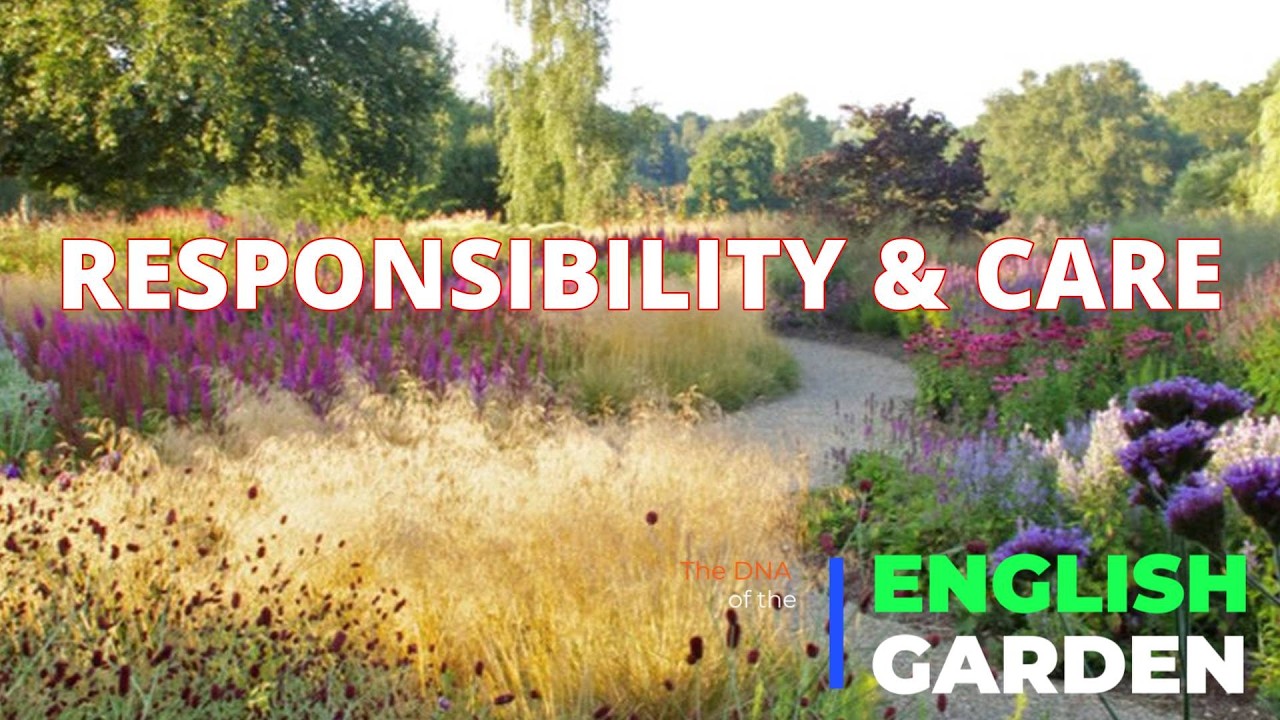
We are currently living through the most significant mutation in the DNA of the English garden. The old questions—Is it beautiful? Does it show my power?—are being replaced by a new one: Is it responsible?
The End of Certainty
For centuries, the gardener was the “Master of the Universe.” We decided what lived, what died, and how much water or chemical help a plant needed. But climate change and biodiversity collapse have ended that era of certainty. A lawn that requires massive amounts of chemicals and water is no longer seen as a sign of “control,” but as a sign of “neglect” toward the environment.
Rewilding and the “New Perennial” Movement
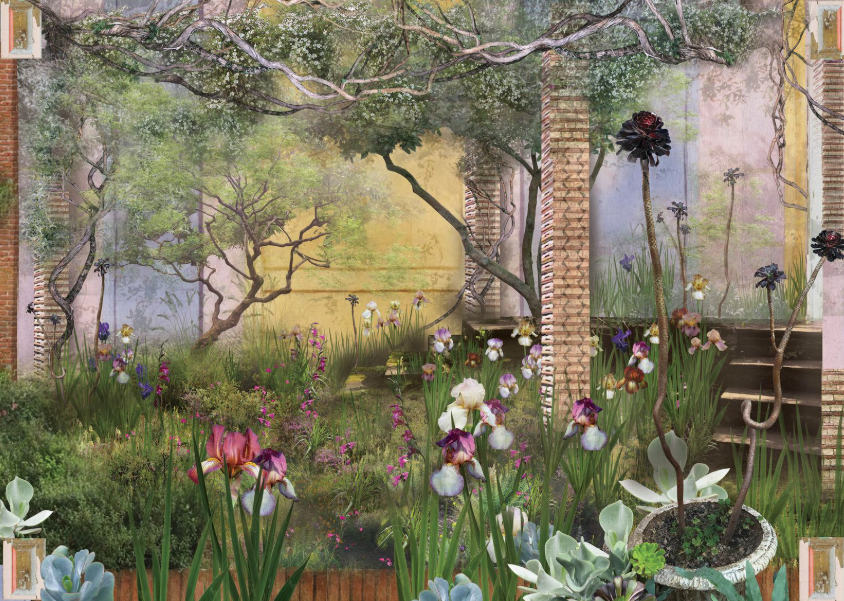
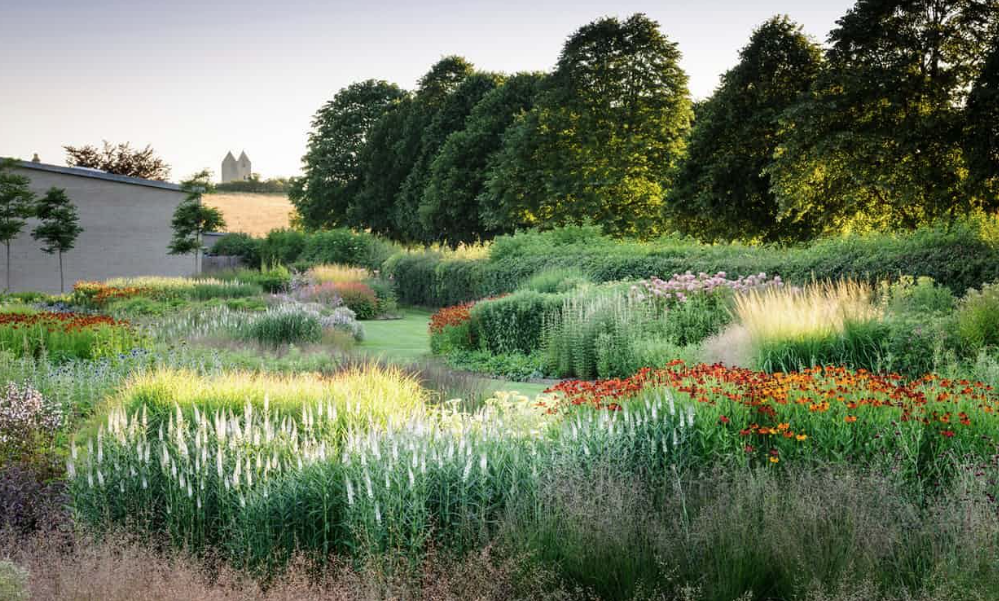
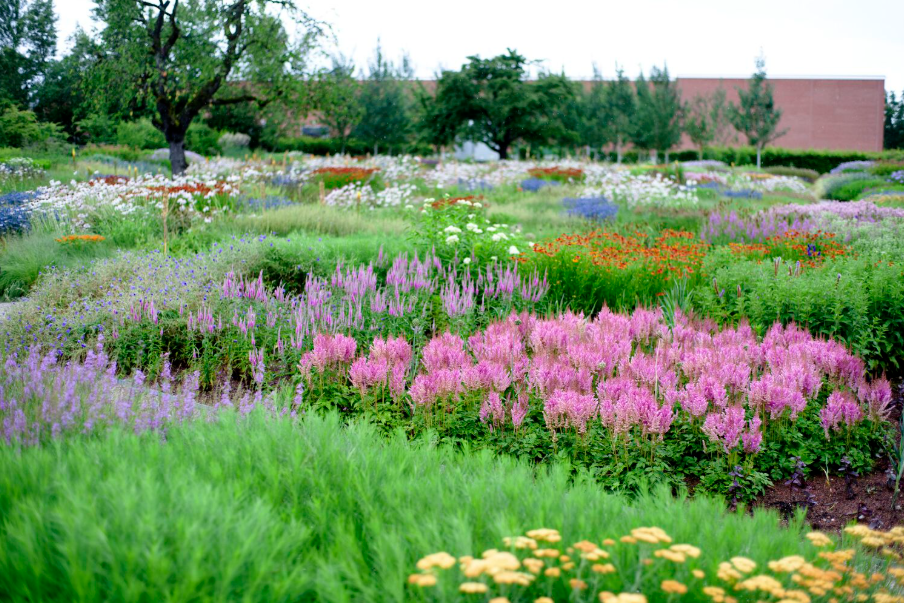
Designers like Nigel Dunnett, Dan Pearson, and Piet Oudolf are leading a shift toward Ecological Functionalism. They aren’t just looking for plants that look good; they are looking for plants that work.
Native Species: There is a renewed focus on plants that evolved alongside local pollinators.
Brownfield Aesthetics: Celebrating the beauty of decay and the structure of seed heads in winter.
Resilience: Choosing plants that can survive a changing climate without constant human intervention.
The Ethics of Choice
Today, the garden is a site of ethical choice. When we choose to leave a “messy” corner for hedgehogs, or when we replace a thirsty hydrangea with a drought-tolerant native grass, we are rewriting the DNA of the English garden once more. We are moving from Ownership to Stewardship.
Conclusion: The Living Palimpsest
The English garden is never just one thing. It is a palimpsest—a document where the old writing is still visible beneath the new. When you walk through a modern garden, you are seeing the ghost of a Tudor knot in the hedge, the echo of Capability Brown in the view, the color theory of Gertrude Jekyll in the border, and the ethical weight of the modern rewilding movement in the meadow.
To garden is to engage with this DNA. It is to decide which strands to emphasize and which to evolve. Whether you are planting a single pot on a balcony or managing a hundred-acre estate, you are a part of this unfolding story.
The DNA of the English garden tells us that while our styles change, our fundamental need to connect with the earth remains constant. The garden is, and always has been, a reflection of who we are—and who we hope to become.
What strand of the “English Garden DNA” do you find yourself drawn to most in your own outdoor space—the desire for order and structure, or the pull toward wilder, ecological responsibility?
Watch the Series
The DNA of the English Garden