Garden Philosphy
Understanding the Past to Shape the Way We Garden Today
“A garden is the purest of human pleasures.”— Francis Bacon
Gardens are shaped by more than plants.
They are shaped by ideas—about nature, beauty, order, and freedom. Every path, every border, every planting choice reflects a way of seeing the world.
Those ideas have evolved over centuries. They have been influenced by art, culture, and changing relationships with nature.
To understand gardens is to understand those ideas.
And when you understand them, you begin to garden differently.
Why Garden Philosophy Matters
- Design with intention, not imitation
- Understand why gardens look the way they do
- Make better decisions in your own space
- Create gardens that feel meaningful, not just beautiful
- See your garden as part of a much larger story
Gardens Are Ideas Made Visible
“My garden is my most beautiful masterpiece.”— Claude Monet
A garden is never just a collection of plants.
It is an expression of thought—shaped by history, influenced by culture, and brought to life through design.
Formal gardens, naturalistic landscapes, cottage gardens—each reflects a different philosophy. Each represents a different way of understanding nature and our place within it.
When you begin to see gardens this way, everything changes.
The Evolution of Garden Design
Every garden style has a story.
This series explores how ideas about nature, beauty, and design have changed over time—and how those ideas still shape the way we garden today.
The DNA of the English Garden

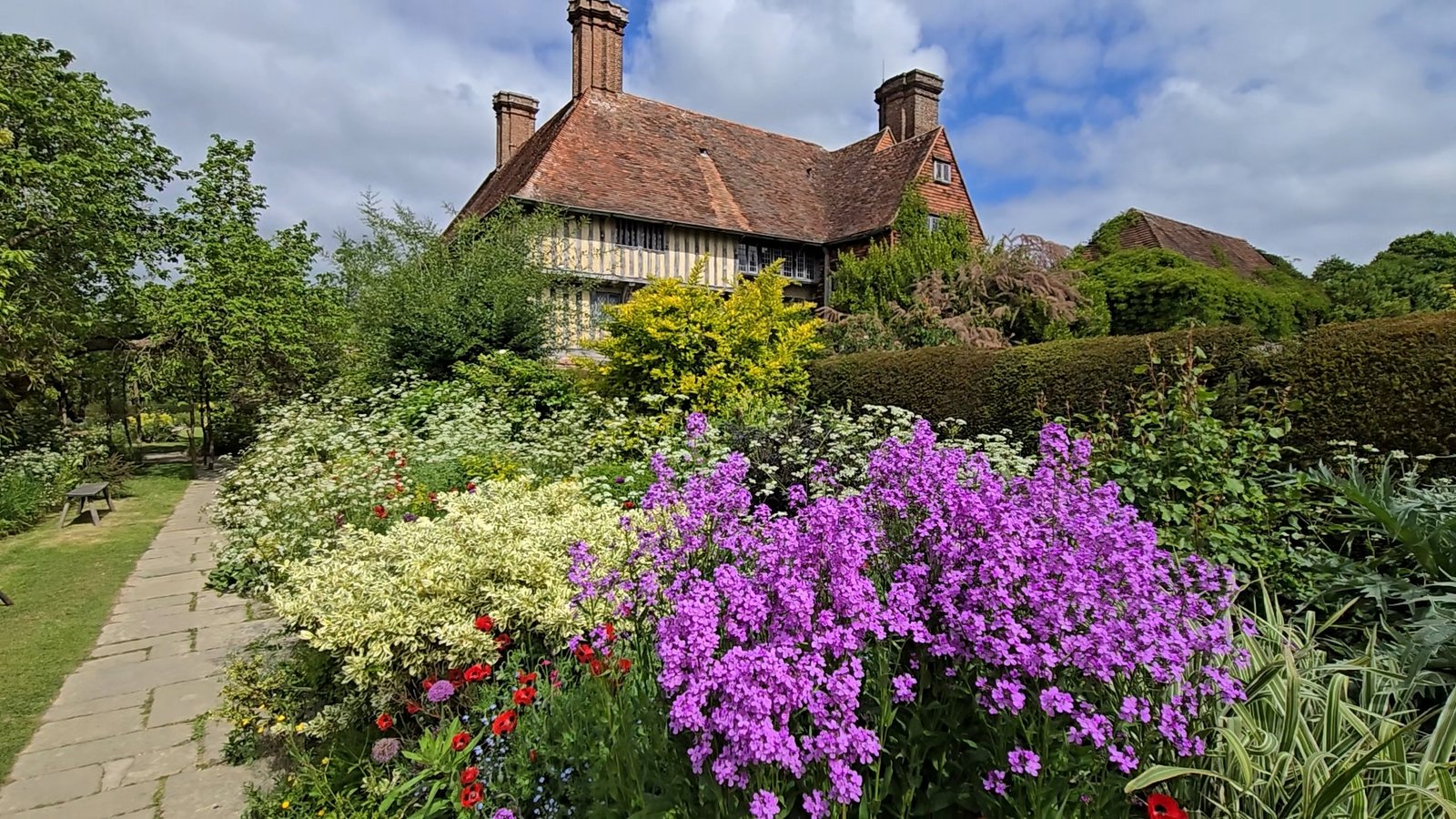
The Evolution of the English Garden
Gardens and Art
Great English Gardens Tours